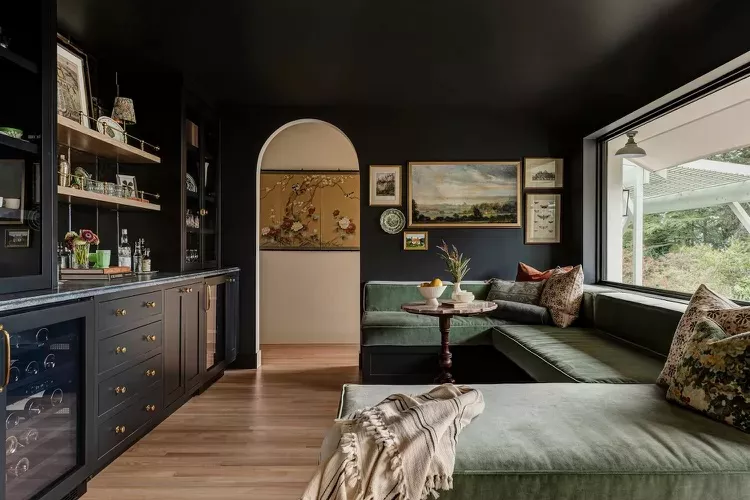
For designers, figuring out clever ways to make small spaces seem larger can be quite the creative challenge. For example, in a compact powder bathroom, utilizing a floating vanity with under cabinet lighting and light wallpaper or paint is optimal.
Whether you are looking to maximize your whole home or a single room, check out these nine must-read tips from interior designers.
Capitalize on Natural Light
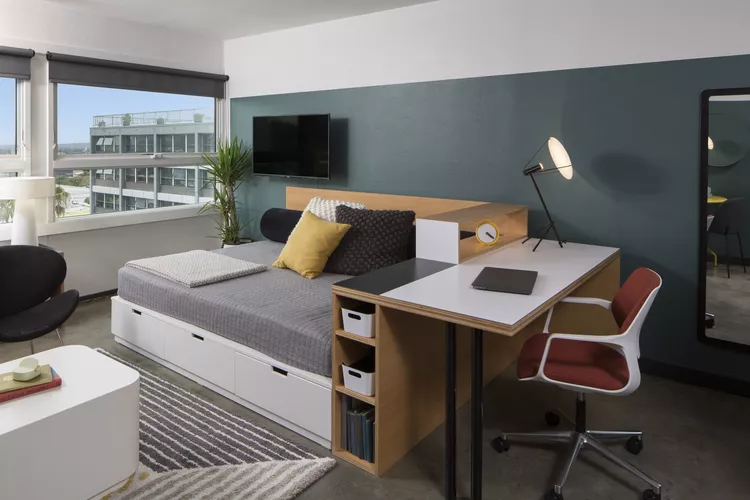
In small spaces, it’s important to do whatever you can with whatever natural light you have to work with. Leave windows uncovered or window treatments light, like with a roll-down mesh shade or linen curtains.
In this space, color blocking separates the ceiling from the walls and gives a foreground and background, plus a custom-designed bed with built-in storage and a desk focuses on function and saving square feet.
Hang a Statement Mirror
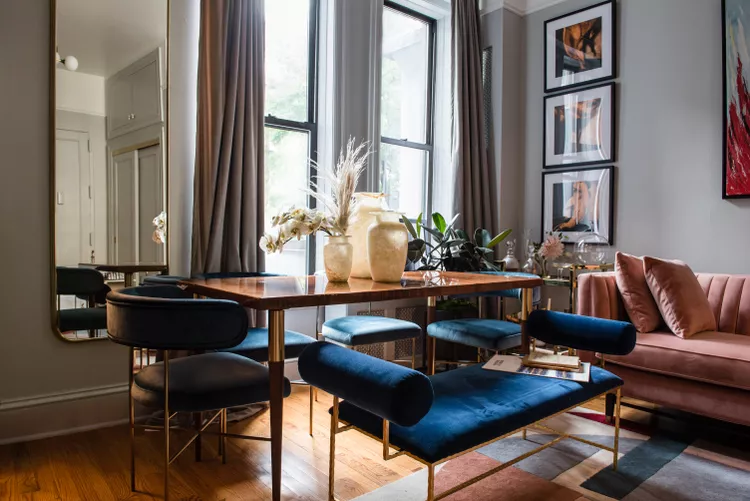
As someone who lives in a 350-square-foot Manhattan studio, writer and creative consultant Natasha Nyanin had to be intentional with how to make her home feel larger.
“Hanging a statement mirror in a space is an excellent opportunity to assert bold style but also has the added benefit of making a room feel more vast since it reflects light and creates the visual illusion of a more expansive space,” she says.
And when it comes to hanging curtains, she always opts to attach as close to the ceiling.
“This draws the eye line upward and makes the ceiling feel higher,” Nyanin says.
Get Crafty With Paint
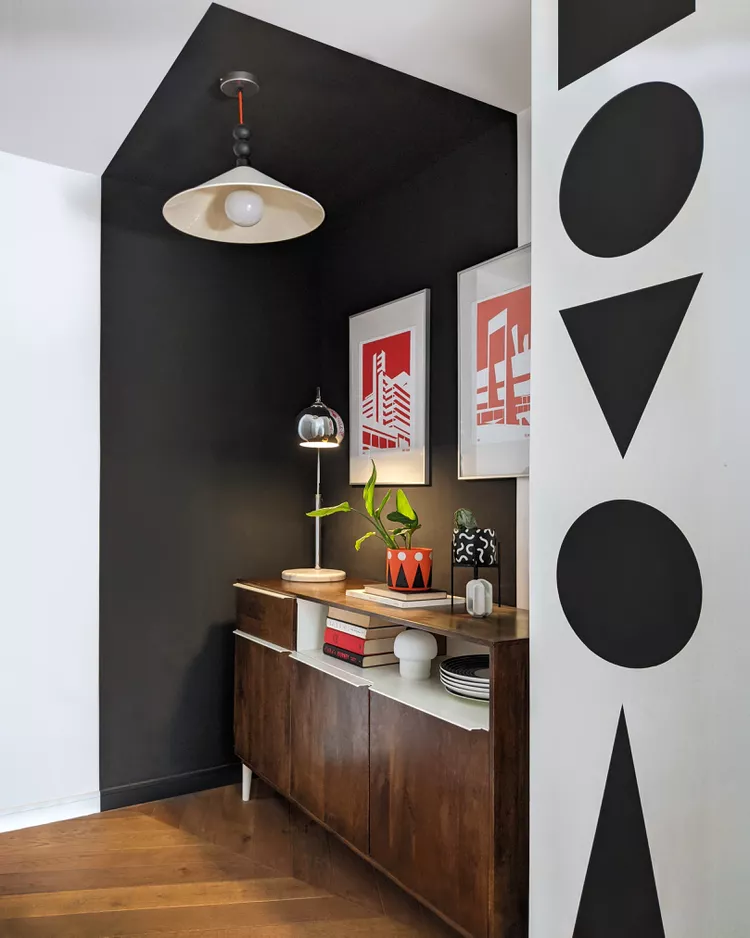
Everyone knows that a little paint can go a long way, and choosing correctly can even make a space feel larger. The hallway in this apartment is long and narrow with no natural light, so some paint adjustments make the space feel longer and taller.
Though dark colors might normally make a room feel smaller, black messes with people’s perception. Instead of standing out, the space painted black disappears, making the hallway feel longer and the ceiling taller than is actually true.
Choose Built-Ins
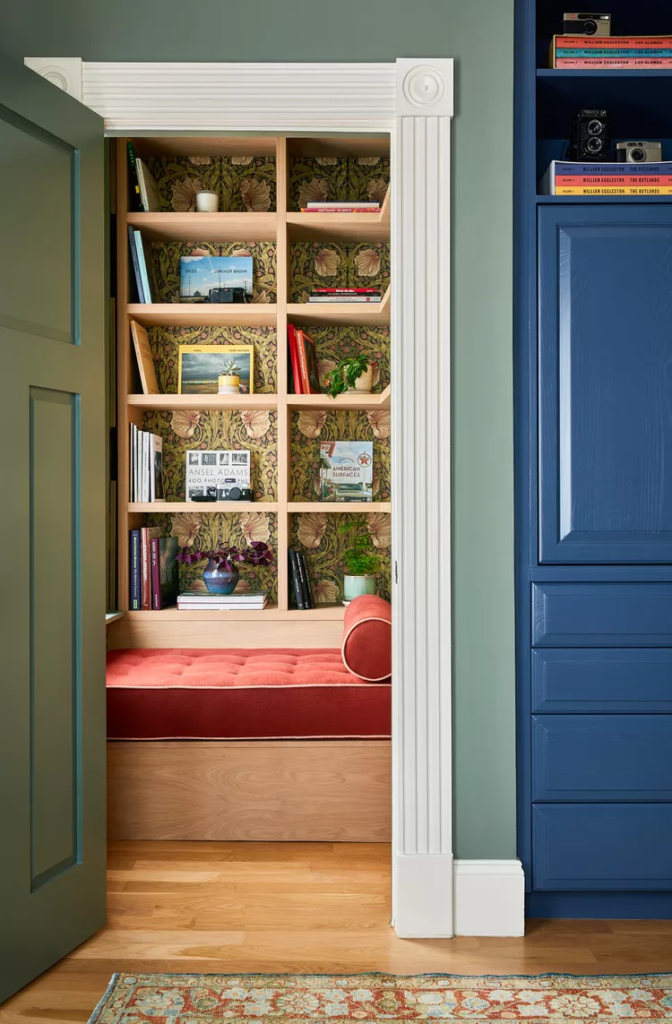
The same way that hanging a curtain high or painting up to the ceiling makes a ceiling feel higher, so do built-in cabinets.
“I love how built-ins maximize usable space while adding architectural detail to a room,” says Alicia Hassen Roche, lead designer of Brooklinteriors. “There are endless ways to get creative with size, shape, and even the backdrop by using a textured or printed wallpaper.”
This cozy and colorful reading nook shows off how to make a small room pop but also how to ensure crisp storage. From a functional perspective, she also loves built-ins to house a built-in desk for books and paperwork.
Go for Dark Colors
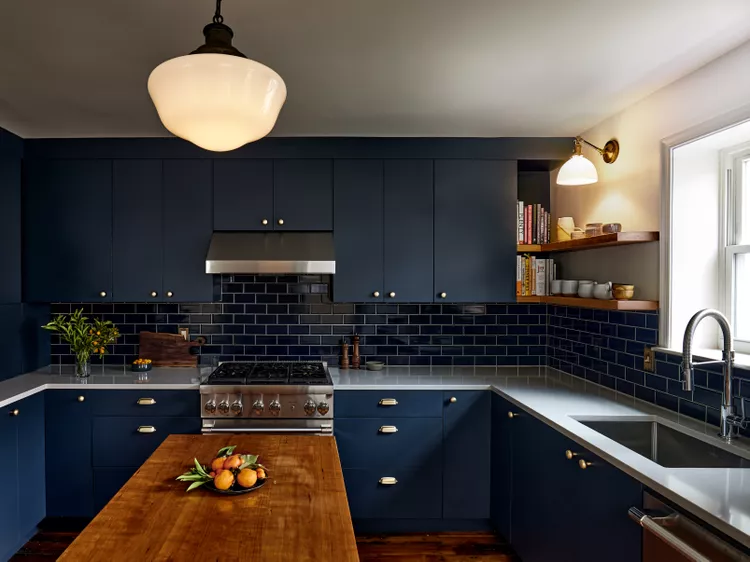
Sometimes moody and dark can just be as space-opening as a light and airy palette.
For example, this kitchen started off small and with poor lighting. Instead of rejecting that, the designer leaned into the cozy feel with midnight blue cabinets and a matching tile. Now, the wood is accentuated and the rich colors make the space feel expansive and luxurious.
Choose Compact Furnishings
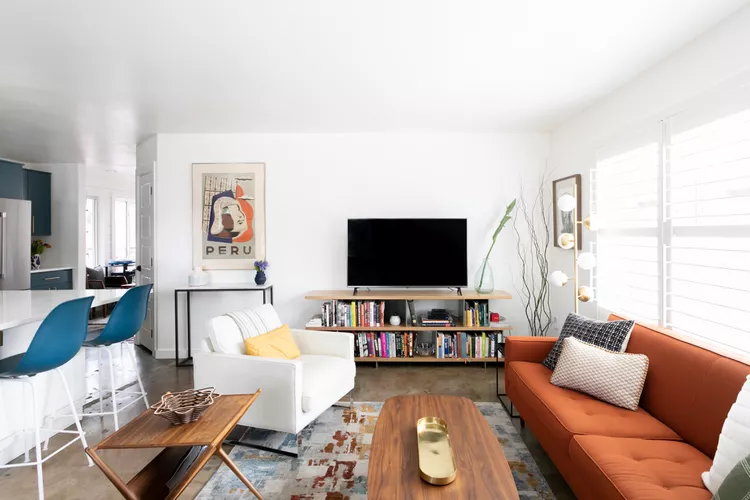
In order to keep a living room and kitchen from feeling too close to one another in this south Austin bungalow, interior designer Lauren Ramirez utilized two tips: Keep large surfaces like walls and countertops white to help them feel more open and spacious, and purchase space-saving furnishings.
The use of a narrow coffee table gives the living area ample seating and walking space, without making the living room feel cramped or anything getting too close to the island.
Leave Walls Blank
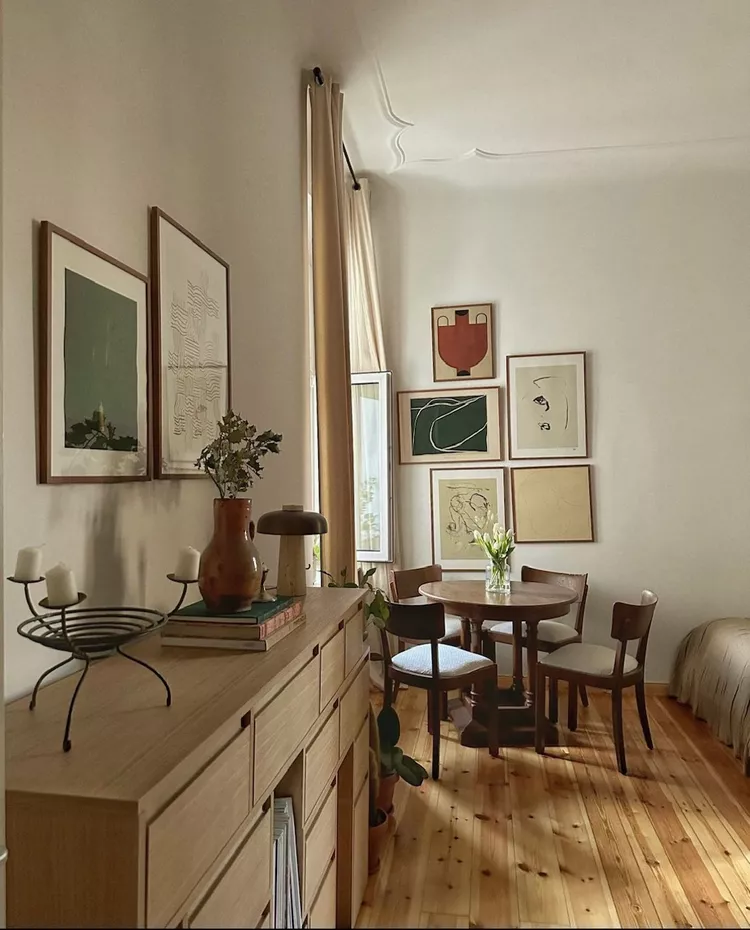
With a small room, take care not to overfill spaces. Leave some counter spaces empty and blank spaces on the walls.
For small living spaces, use large, roomy furniture to as centerpieces, and then fill in the blanks around it. If you opt for small furniture, these pieces could take up unclear space and disrupt the flow or areas of the room.
Create Zones
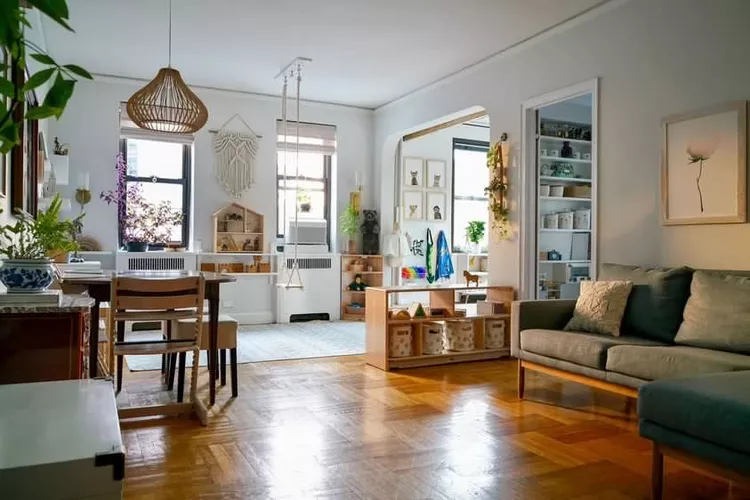
Native New Yorker and designer Jenny Davis knows a thing or two about small space living.
“Creating zones within a room can make it look and feel bigger, as long as it’s done right,” she says.
Creating a broken floor plan by blocking off spaces with furniture can help delineate one room into multiple deliberate areas, making it feel bigger and more multi-purpose than it might actually be.
“In the living room, I use a toy hub to divide the kids’ play area and our living room, and it has an open back so it doesn’t minimize light or how far the eye can see,” she says.
Up the Scale
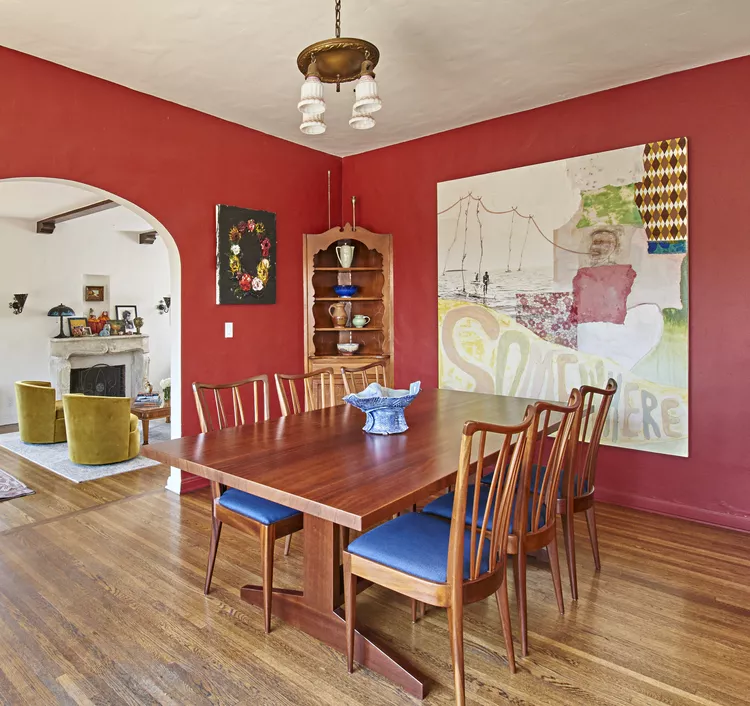
Making the most of a large wall can do wonders in a small space. Using a large piece of art like in this apartment allows the chosen piece to infuse its essence into the entire room. An impactful piece on a big wall can give a small room a nice sense of spaciousness and grandeur.