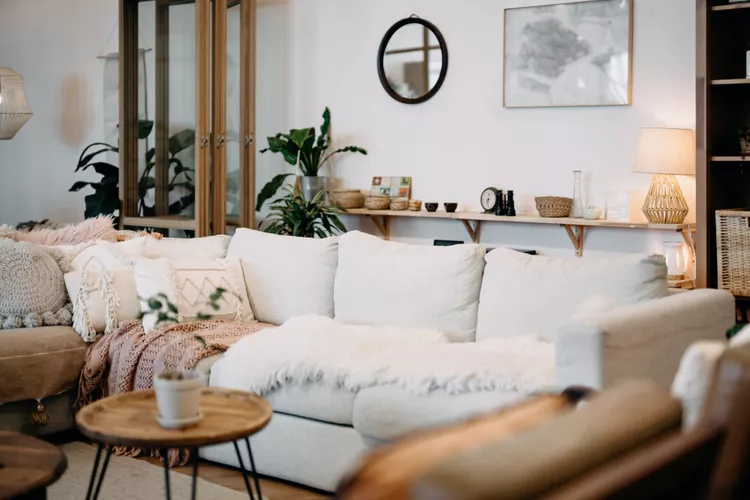
If you’re planning on doing any holiday hosting this year, be sure to bake in time to do an audit of your living room before inviting any guests over. Take a considered look around your space to ensure that your living room doesn’t contain any major design red flags that might hinder the flow, fun, or festive nature of the evening.
We tapped three interior designers who highlighted five common living room design mistakes that guests often spot when they enter your space. Here’s what they say you should be on the lookout for—and the easy fixes you can do now to make the night (and your living room) run smoothly.
Poor Lighting
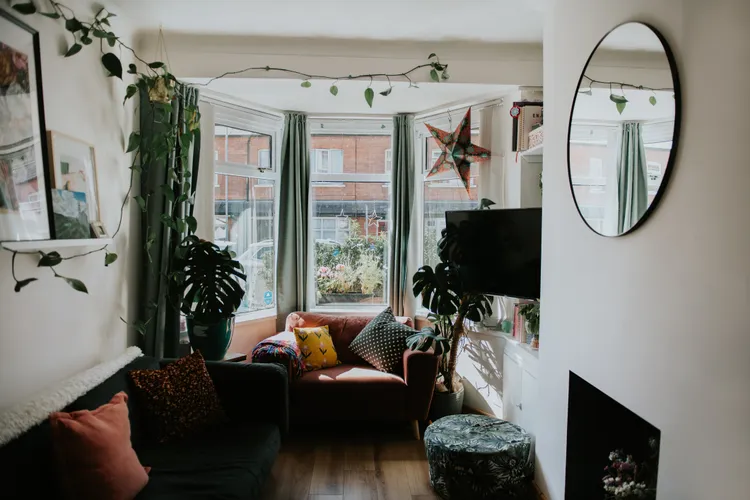
Your lighting scheme can truly make or break others’ perceptions of your living room. “Whether it’s on an active or subconscious level, guests notice bad lighting right away,” says Rebecca Ward, the founder of Rebecca Ward Design. This means guests will clock when the lighting is too bright and too dark. “Warm, layered lighting instantly makes a space feel inviting,” the designer says.
Your best bet is to weave a mix of fixtures into the space. “Adding warm task lighting, table lamps, sconces, and floor lamps will help create more diffuse light, which feels cozier,” says Elissa Hall, the founder of EDH Interiors.
Art That Is Hung at the Wrong Height or Is Unappealing
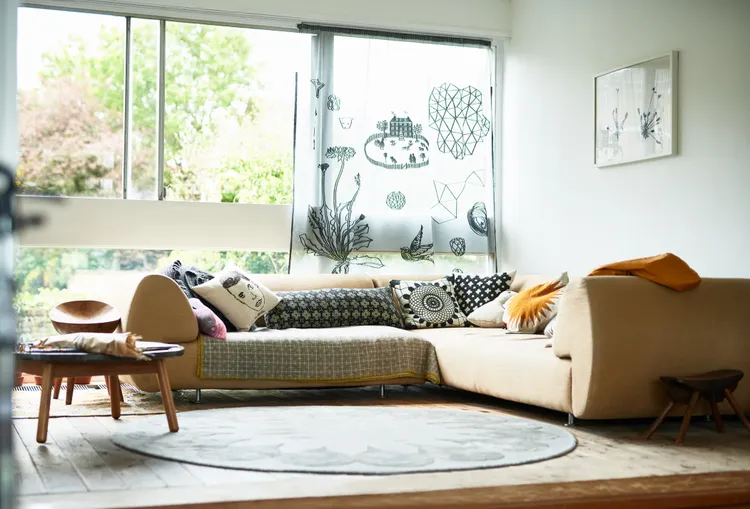
Don’t make the mistake of hanging your living room art too high or too low; Ward says that doing so will make your space feel disjointed. The best approach is to hang your pieces at eye level. When you do so, Ward says, “Everything feels more intentional and pulled together.”
The type of art on display in your living room matters too, Hall says, and if done incorrectly, may set the wrong tone. “If I walk into a living room and only see generic, store bought art on the walls, I disconnect from the space,” she says. The designer prefers to see pieces that reflect the homeowners’ personality. That doesn’t mean you have to spend a pretty penny in the process, though. “Vintage art is often as affordable as new pieces from big-box stores,” Hall says. You also don’t have to toss all of your stock art, either. Choose pieces that speak to you—that makes all the difference.
A Living Room That Feels Too Formal to Sit In
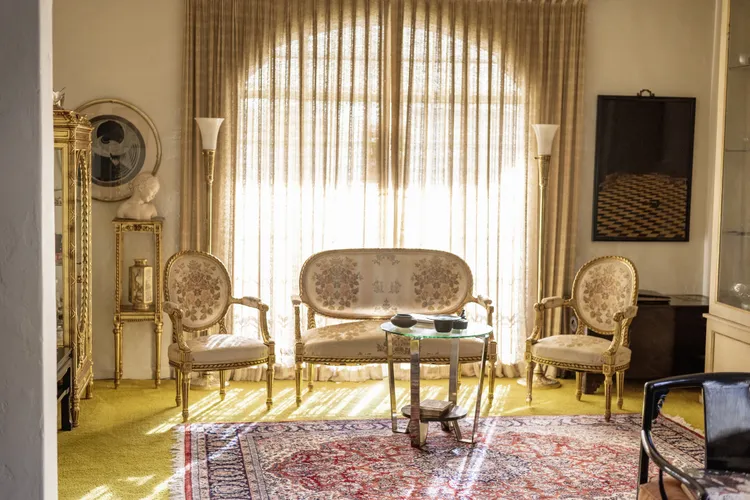
If you’re planning on having guests over—whether it’s two people or 10—take the time now to ensure that your space features plenty of welcoming seating options that will encourage your visitors to kick back for a few hours. “If a room feels too precious to sit in, guests won’t relax,” Ward says. “Even in a beautiful space, comfort should come first and draw your guests in to stay a while.”
A Layout That Doesn’t Encourage Conversation
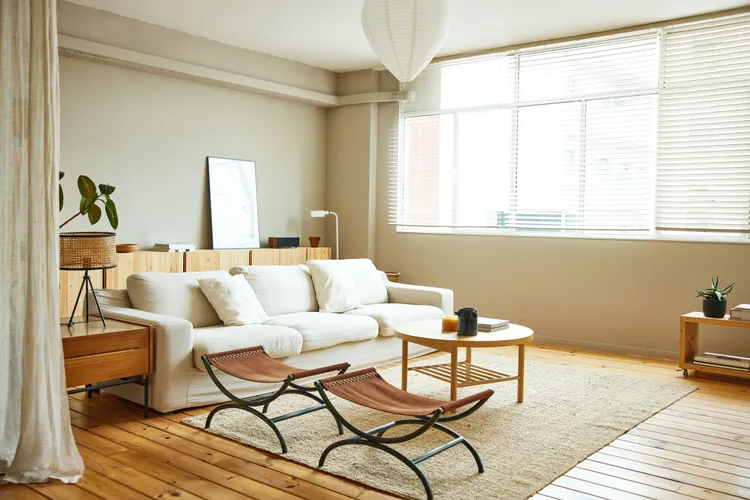
If you really want your guests to enjoy their time in your living room, it’s crucial that you set up your sofa layout in a way that encourages conversation, says Margie Kaercher, the founder of Hearth & Honey Homes. When this isn’t the case, “Guests feel less drawn to settle in and instinctively drift to other areas that are better designed for gathering,” she says. You should also make sure that your sofa and accent chairs are all facing in the same general direction (as opposed to keeping a chair tucked away in a corner) and have backs, making it easy to stay a while and look at those around you with ease.
A Lack of Side Tables
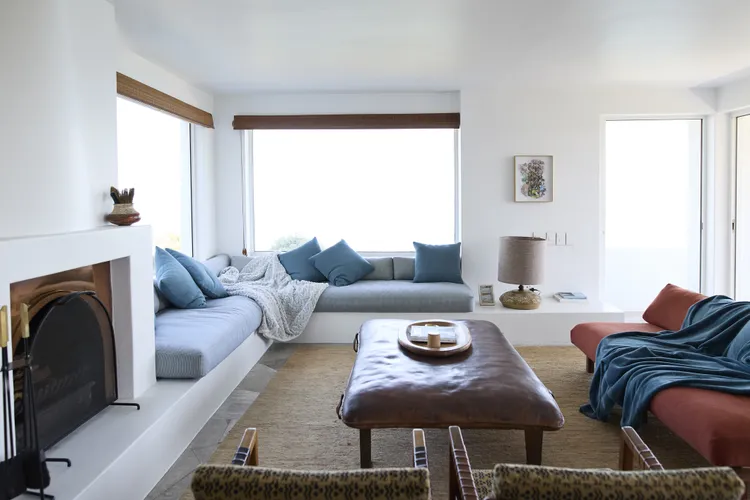
Speaking of encouraging visitors to sit down for a while, you definitely want to be sure to incorporate side tables and/or a coffee table into your living room flow (if not exist already) so that entertaining becomes even more feasible, Kaercher says. “Guests need a landing spot for their drink, book or phone—within arm’s reach,” she says. “Without accessible surfaces, a space instantly feels impractical rather than inviting.”