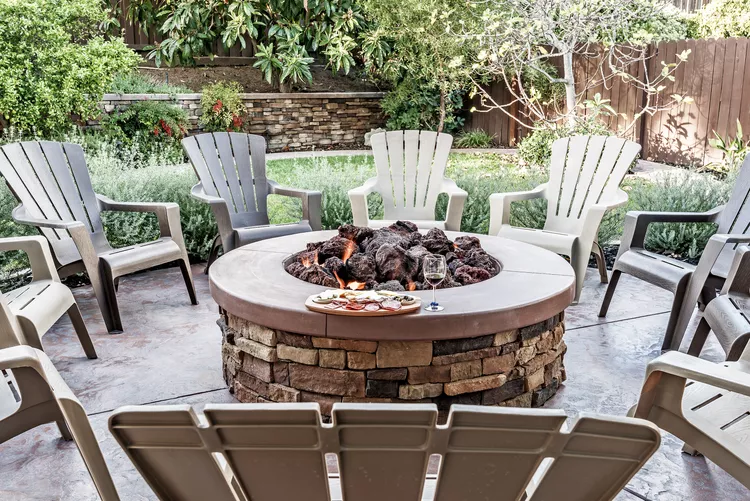
Summer is finally here, which means the time has come to dust off your deck chairs and prepare for incoming weekend barbecues—plus, sunny weather provides the perfect setting for trying out DIY projects that can help bring an outdoor space to the next level.
The ways to transform your backyard into the ultimate oasis for entertaining are endless. But if a warm and cozy campfire-style setup is calling your name for this season (and beyond), here’s everything you need to know about how to DIY a fire pit in your backyard.
Check Building Codes First
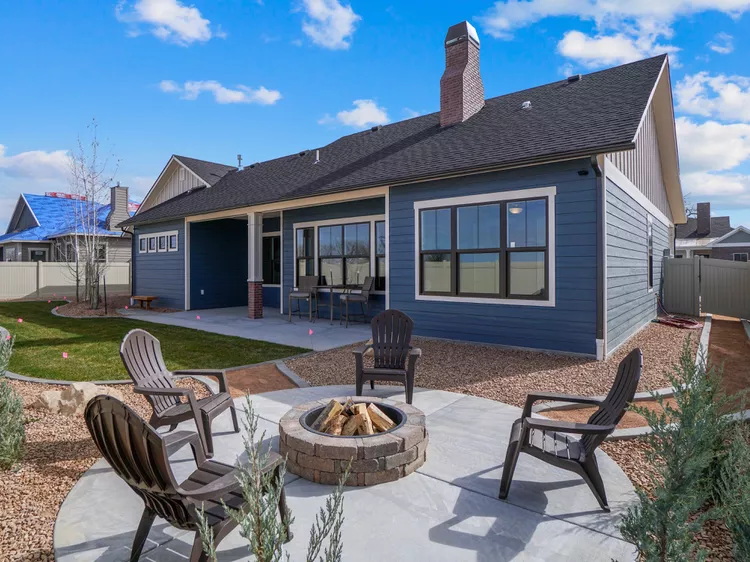
Before you can get into exciting details like design, materials, and placement for your DIY fire pit, you’ll need to consult local regulations to ensure there is enough space in your yard to begin safely and legally building.
“Always know your local building codes,” landscape designer Jeremy Martin says. “Needing to stay at least 15 feet away from combustible materials is common. This includes wood, plastic, and any kind of material that could melt or burn, meaning you need to be at least 15 feet from most fences, homes, and pergolas.”
Even if building codes don’t specify required distances, our experts recommend placing a DIY fire pit at least 10 feet away from structures and trees.
Find the Perfect Spot
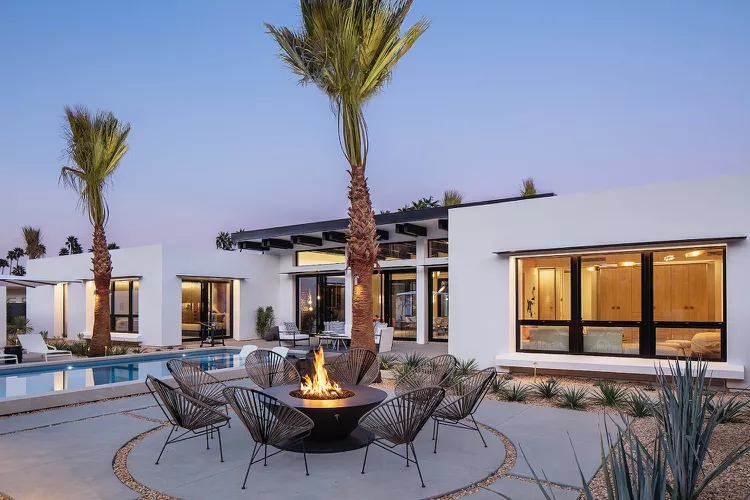
After making sure you’re up to code, you’ll need to find the the perfect place to build your fire pit. No matter what kind of look you go for, it’s sure to be the star of the backyard—and keeping the fire pit as central as possible is a great move for fire safety, comfort, and eye-catching appeal.
“Choose a location away from your home, fences, trees or other structures,” outdoor living expert Joe Raboine suggests. “For added charm, place the pit in a visible area, centered in a defined space to serve as a focal point.”
It’s also important that guests can comfortably convene around the fire, so the spacing of chairs you place around your pit needs attention, too.
“You’ll want to make sure you at least have four feet on all sides of the fire pit to place chairs comfortably away from the open flame,” says fire pit construction expert Samuel Soto.
Fireproof Any Masonry
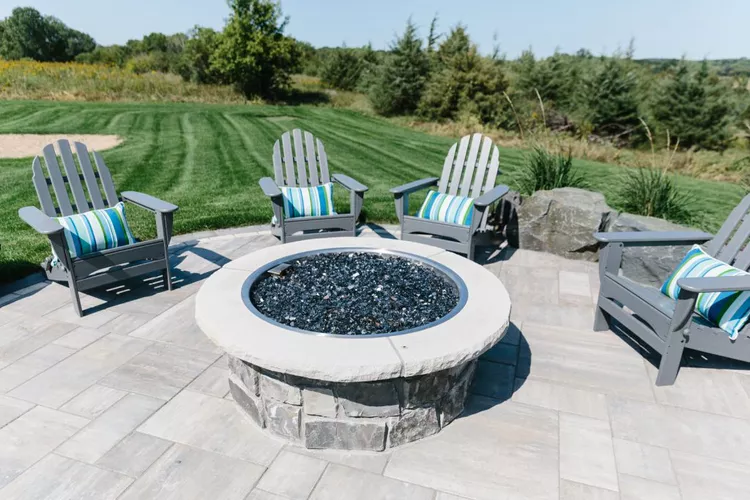
The go-to materials for this project are bricks, concrete, stone, and mortar—which are known as masonry once put together. Fireproofing these materials is essential to ensure your creation doesn’t collapse.
“There are two basic approaches,” Martin says. “One is to line the fire pit with fire brick, which is a special clay brick designed to handle high temperatures. Another method is to drop a metal insert into the masonry structure to maintain an air gap between the block and fire and shield the block from extreme heat.”
Both methods are equally safe, it just depends on what kind of look you’re going for.
Match Your Home’s Aesthetic

Once you have necessary fire-safe mortar, clay bricks, or an insert secured, the fun of selecting materials, colors, and finishes finally begins.
“Choose a style that complements the home’s aesthetic and architecture,” Raboine advises. “Look for materials like pavers, concrete, or stone that mirror other elements in your yard.”
Drawing from the hues and textures seen throughout your home’s exterior, backyard furniture, and any water features will instantly give a curated and thoughtful look. Finishing the area by sourcing accessories like outdoor seating, lighting, and side tables will create the ultimate setting for s’mores-making sessions and cozy late-night outdoor gatherings.
Try a Fire Pit Kit
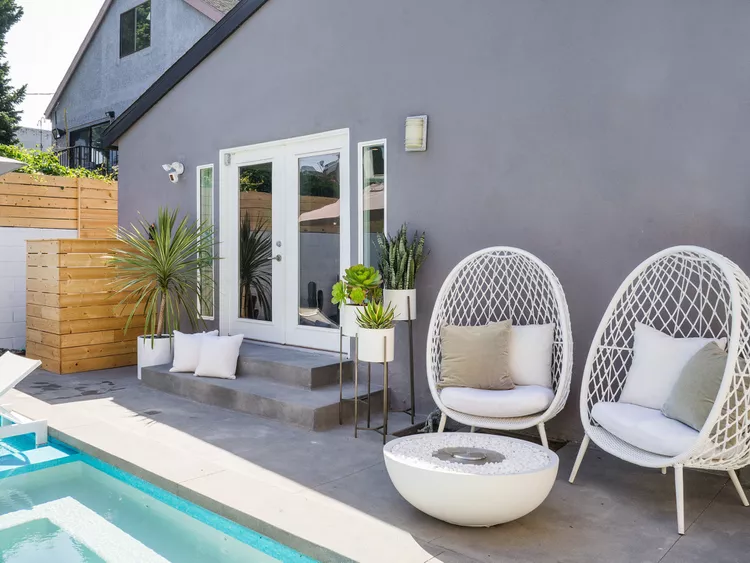
If you’re new to the world of DIY backyard projects and feeling overwhelmed, don’t worry. There are plenty of kits and ready-made fire pits available to install that can complement any backyard’s design.
“For first-time DIYers or homeowners on a budget, a fire pit kit is the best option to streamline the process,” Raboine says. “These kits come with all the necessary materials, and can help ensure that you properly install the fire pit while meeting all safety compliance requirements.”
5 Extra Tips for Building a Fire Pit
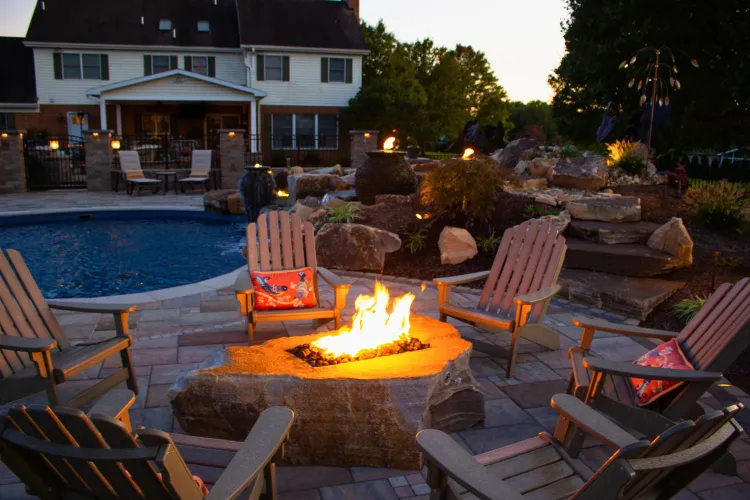
As you dive into the planning and building process for your DIY backyard fire pit, there are a few other key safety and design points our experts say are important to keep in mind.
- Always make sure to build on level gravel or pavement surfaces, away from slopes and flammable wooden or grass areas.
- All materials you use have to be fire-rated, and protective gloves and glasses should always be worn during construction.
- Proper ventilation is essential, and your DIY fire pit will either need a vent incorporated into its bottom, or a metal insert keeping the flame above ground for air circulation.
- Building a fire pit at the right height can make or break the space; Soto recommends keeping structures no taller than knee-high, or 18 inches.
- Finding or building an accompanying firewood storage spot will make using your new DIY fire pit much smoother.