
A lot of us are excited to refresh our spaces in the new year. However, decorating is a marathon—not a sprint. So, it’s important to practice restraint before over-consuming.
After all, the best homes are born out of slowness rather than speed. To ensure you don’t go overboard—or purchase items you might later regret (think: a too-big vase or out-of-place armchair)—we called on designers for their tips. Here, they share six red flags to avoid when shopping for home decor in the new year.
Prioritizing Aesthetics Over Functionality

In an effort to revamp your style, you might grab decor that instantly catches your eye. However, practicality is just as important as personality.
“A beautiful piece that doesn’t serve the space or your lifestyle can disrupt the flow and feel incongruous,” says Cayley Scrooby, interior stylist at Sovereign Interiors. “Even in a luxurious home, functionality is just as key as aesthetics.”
Instead, shop for decor that fits into your routines—rather than how something looks at first impression.
“Choose pieces that earn their place through daily use and durability, not quick transformation,” says Lisa Sternfeld, interior designer and founder of WLLW. “Buying fewer, better pieces is one of the easiest ways to create a home that feels more settled and supportive.”
Trend-Driven Purchases
Trends are a common source of inspiration in the new year—however, something that’s of the moment now might not stand the test of time.
“When trend-driven items dominate a space, it can feel dated within a year,” says Steven Graffam, designer and co-founder of Stivale Graffam Home. “Investing in classic silhouettes allows you to layer trends in a more subtle, flexible way.”
Instead, Sternfeld suggests releasing any sense of urgency and considering what items you could see yourself living with for years.
“Look for craftsmanship, clear material sourcing, and finishes designed to last,” she says. “A home feels most restorative when the things in it are there for a reason, not just because they filled a gap.”
Ignoring Scale
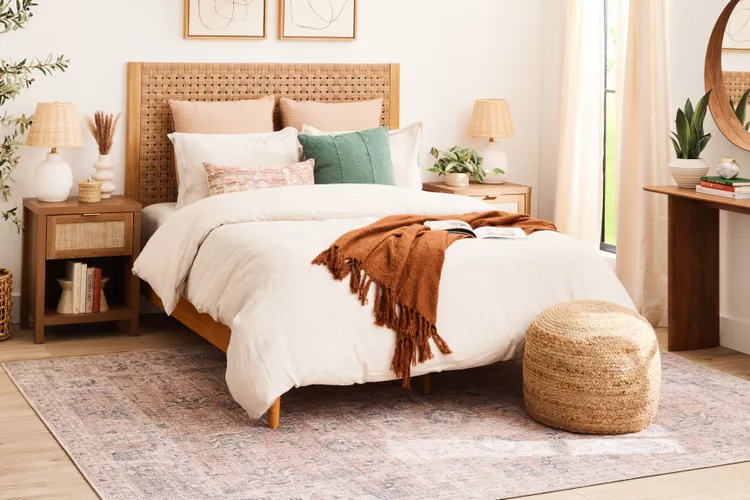
One of the most often-seen faux pas when decorating is ignoring proportions, so don’t neglect your measuring tape.
“A beautiful object can fall flat if it’s the wrong size for the space,” says John Stivale, designer and co-founder of Stivale Graffam Home. “Too-small rugs, undersized lighting, or overly delicate furniture can make even the most luxurious room feel off-balance.”
The solution? Using architectural details as your guide.
“Measure before you buy, consider sightlines, and think about how pieces relate to one another,” Stivale says. “When scale is correct, a space feels effortless and elevated.”
Skipping the Edit
It’s not enough to go straight to your favorite home decor store. First, you have to make room for the items you intend to purchase.
“Often, simply removing what no longer serves you or rethinking how you use what you already have can make a space feel lighter and more considered than adding something new,” explains Sternfeld.
To get the ball rolling, Sternfeld suggests deciding what intention you want your home to support.
“That might be better rest, easier mornings, more connection, or simply a calmer place to land at the end of the day,” she says. “When that intention is clear, buying naturally becomes more thoughtful and far less frequent.”
Choosing Quantity Over Craftsmanship

When shopping, you don’t have to check off every item on your wishlist at once.
“Filling a home quickly with inexpensive decor often leads to clutter rather than character,” says Graffam. “Pieces that lack craftsmanship rarely age well, both aesthetically and physically.”
Graffam instead recommends purchasing a few, well-made items per shopping trip.
“Seek out pieces with depth—handcrafted items, vintage finds, or designs with a strong point of view,” he says. “These elements bring warmth and individuality to a home and age beautifully over time. The most compelling interiors aren’t filled quickly; they’re built slowly, with meaning.”
String Chemical Odors
Style and substance are key to look for in home decor—but so is a normal scent.
“If something has a noticeable chemical smell, that is usually a sign to pause,” says Sternfeld.
To avoid this issue, she suggests looking for decor that is straightforward in its construction and finish.
“Natural materials such as solid wood, wool, linen, cotton, clay, glass, and metal often perform better indoors and age more gracefully over time,” Sternfeld elaborates.