When January hits and you’ve packed away all of your ornaments and garland, your house may feel pretty empty. Couple that with the dreary winter weather, and it can be tempting to engage in a little retail therapy and buy some Valentine’s Day decor. And after that, you figure you might as well decorate for St. Patrick’s Day, then Easter, and so on.
Attempting to decorate for every season and holiday requires money, time, and lots of storage space. And at the end of the day, are these pieces really adding value to your home, or are they making it look cheap?
We asked a handful of designers to share whether they themselves change their home decor each season, and it turns out the pros take a much different approach.
Designers Tend to Stray Away From Seasonal Decor
Outside of Thanksgiving and Christmas, you won’t find any seasonal decor cluttering up designer Erica Hendrix’s home.
“The things in my home have been curated by dreamy vacations, memories with my family, or something I painstakingly searched for,” she says. “Those ‘things’ represent our family and our beliefs.”
Hendrix finds that seasonal decor is usually cheaply made and a poor substitute for her collected pieces that bring her joy year-round.
Interior designer Kelly Neely also places more of her energy into refining her year-round decor than seasonal decor. She only adds a few season-specific touches during Thanksgiving and Christmas, and she aligns the look to blend with her year-round decor.
“When your home is designed around items and colors that you love, they will easily transition to different seasons,” she says. “For example, my home is filled with pinks, greens, and browns. So, for Thanksgiving, I lean into greens, browns, and plums. For Christmas, I have used many shades of pink, red, green, or even grey and blue, and mixed with metallics to make it festive.”
Designers Who Decorate Seasonally Only Make Subtle Changes
Designers Sharon and Robert Reed do give their home a subtle refresh each season. But the keyword here is subtle. Rather than attempting a drastic overhaul or cluttering up their space with kitchy Easter or Fourth of July motifs, they make small changes.
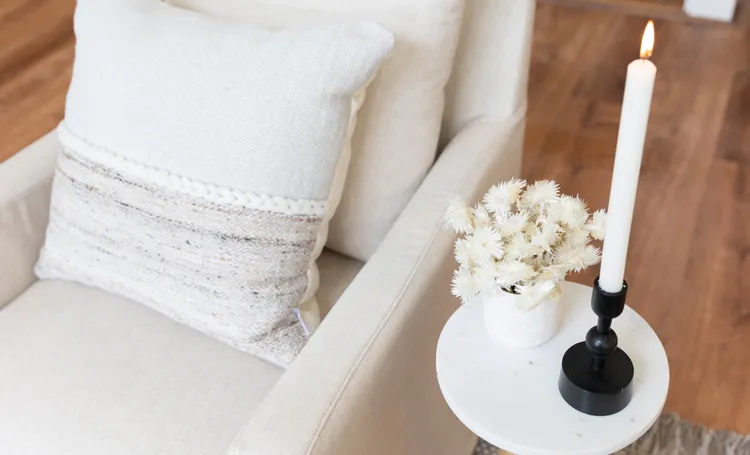
“For us, it’s all about layering and accessories,” Robert says. “Changes to decor can be as simple as changing your throw pillows, blankets, and other accessories. Think light and airy cotton or linen for the warmer seasons and wool or faux fur during the winter.”
Sharon adds that scent is another subtle way to tailor your home to different seasons. She loves lighting an heirloom tomato candle during the late summer months and then switches to vanilla and warmer scents in the winter.
Avoid Holiday-Specific Decor and Go Natural
Seasonal decor doesn’t necessarily need to be holiday-specific. Holiday decor has a much shorter shelf life than more general seasonal decor.
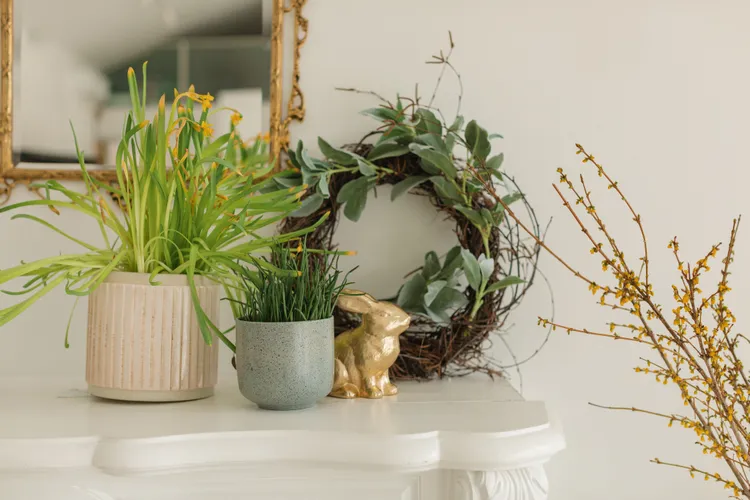
So, for example, instead of purchasing an Easter banner for your mantle, consider swapping out the color of your taper candles to beautiful pastel hues that will look beautiful for both Easter and spring.
And if you’re short on storage space, focus on bringing in bits of nature that you can compost when they’ve served their purpose.
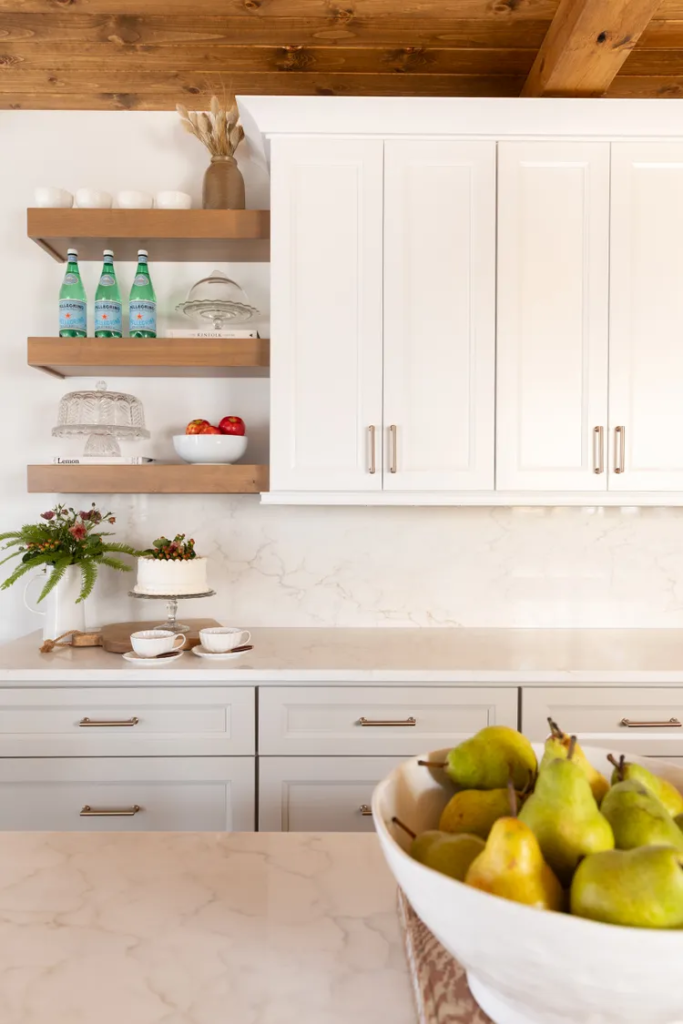
For example, the Reeds also love bringing in fresh hydrangeas from their garden in the summer. In the fall, you’ll see a picturesque bowl of apples and pears on their kitchen counter. Dried flowers are perfect for fall, and evergreen branches make beautiful winter decor even outside of Christmas.
Collecting house plants that show off during different seasons is also another clever way to decorate seasonally. Think Christmas cacti that only bloom in December or a jasmine plant that puts on a show in late summer.