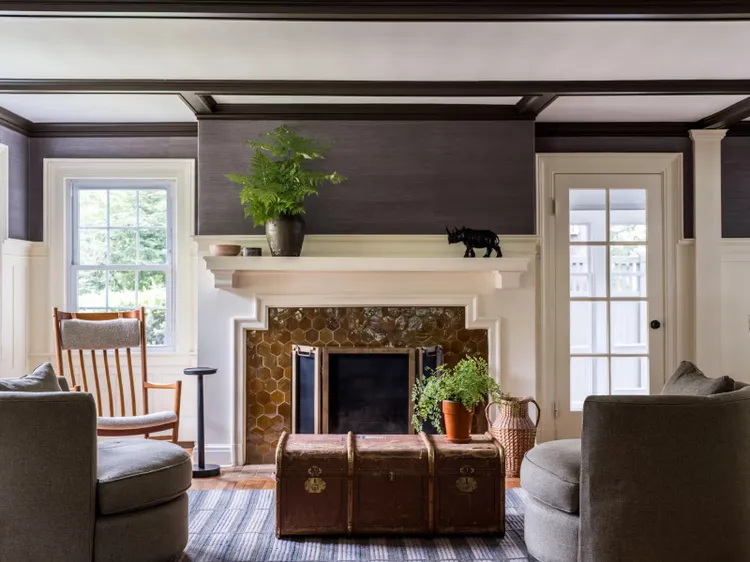
You’re wandering through the maze of a thrift store when you spot it—the perfect vintage piece. Or so you think. How do you know if vintage furniture is worth investing in? It may look beautiful at first glance (save for a little dust), but how do you determine if it’s worth taking home?
Luckily, we spoke with three vintage furniture and design experts who offered their best advice for determining whether or not you should buy the item or if it’s better off left behind.
When to Invest in Vintage Furniture
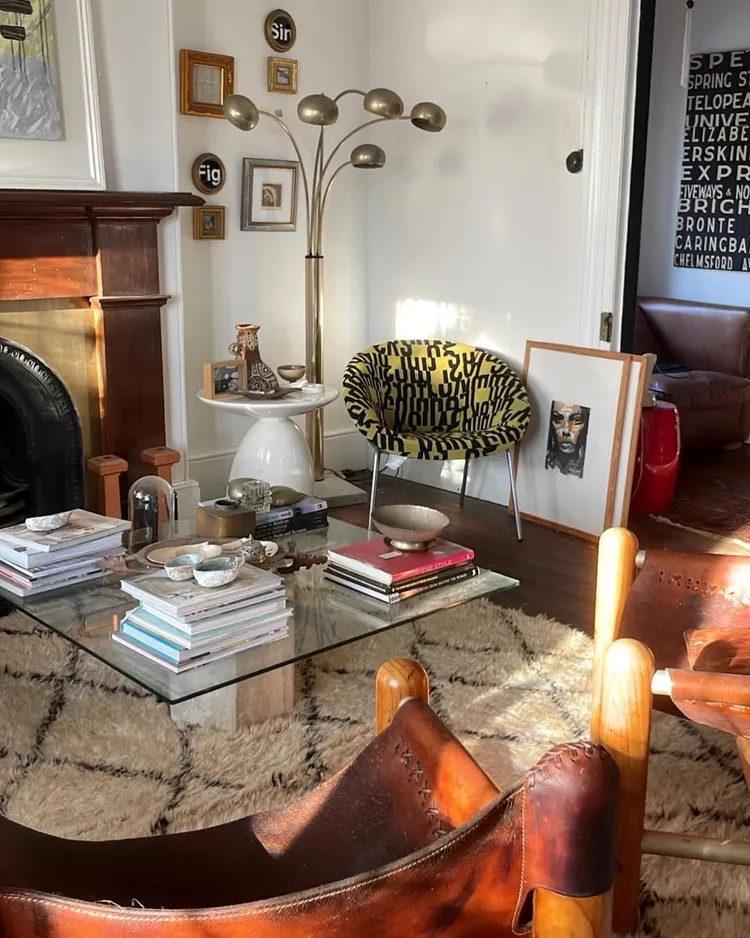
When you’re shopping around for vintage furniture, there is a rule of thumb that vintage expert Sallie-ann Salter always abides by.
“You should invest in vintage furniture when the piece offers something that new furniture often can’t: superior materials, craftsmanship, character, and history,” she says.
Read on for a handful of reasons that tie into this principle, which make a vintage piece worth the price and effort to bring it home.
It’s Superb Quality
“Pieces with solid wood construction, hand-cut joinery, and original features (hardware, finish, etc.) are far more likely to retain value, both financially and aesthetically,” says Salter.
A few things you should keep an eye out for? A structurally strong piece without any serious damage, warping, or loose joints. Salter also recommends checking that the piece still has its original components, from handles to finish. If it looks good, you love it, and everything is intact, it’s often worth it.
“If a piece has already survived 50 or 100 years of use, chances are it will last another 100 years,” says vintage expert Vanessa Murray.
It’s Timeless, but Has Character
Timelessness is a great quality to look for in any furniture you buy—vintage, retro, or otherwise. This ensures it has a place in your home for many years to come.
That said, timeless features are pretty subjective. Usually, it’s an item that’s not overtly trendy or flashy. Vintage furniture often strikes a great balance between interesting features and details that won’t date.
“You should invest in vintage when a piece has both character and craftsmanship that you simply can’t find in mass-market furniture today,” says interiors expert Elizabeth Vergara. “A well-made vintage item can anchor a room, tell a story, and often appreciate in value over time.”
You’ve Spotted a Maker’s Mark
Vintage furniture easily adds personality to your living space, but these pieces are sometimes good long-term investments, too. Items with original features and a history you can track or authenticate are always good signs.
“If you can trace its maker or period (even label or stamp inside a drawer), that adds authenticity,” says Salter.
When to Pass on Vintage Furniture
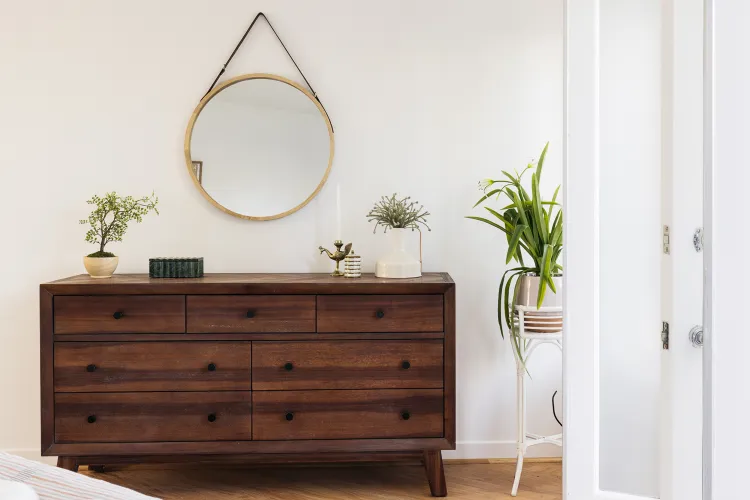
While there are many reasons to commit to a great vintage furniture item you find, it’s good to know the signs of a piece that isn’t worth it. Here’s what the experts say you should consider.
Restoration Isn’t Worth the Cost or Time
“Pass if the cost or complexity of restoration exceeds its value—especially if you don’t have the skills (or time) to handle it yourself,” Murray says.
You risk adding another project to the pile that won’t get finished. No matter how promising a piece might look if you have a great vision for re-staining the wood or reupholstering a seat, it’s not ideal if the restoration is extensive or expensive.
“Wait for a piece that’s ready to use or only needs light polishing; you’ll be happier and avoid losing money,” she adds.
There’s Too Much Damage
There is fixable, and then there’s beyond repair. Serious damage might get you a discount, but that doesn’t mean it can be fully restored.
“Skip buying a vintage piece if the cost of restoration outweighs its potential, and if the piece has structural damage that can’t be repaired,” says Vergara.
Missing parts is another red flag, according to Salter. This includes missing plugs, wiring, or key structural components. Sourcing isn’t always easy for vintage, so it’s likely not worth the pain.
Your Design Style Often Changes
Vergara points out that if you’re someone who frequently changes their mind about furniture, or if your interior tastes often shift, it might be worth skipping a vintage piece.
These pieces are often an investment, and if you spend time, money, and energy restoring and styling it only to dislike it a few months down the road, it’s better to skip.
Try referring to the pieces in your home that have withstood time the longest. Then pinpoint what it is about them that you love. Then, you can aim to find those qualities in other furniture while shopping.
Proportions Are Off
Getting proportions and scale right is essential to creating a room that’s well-designed and spacious. If these are wrong, it can make the whole room off-kilter, even if the potential is there.
“Something that looks lovely in a photo may dominate or awkwardly underwhelm in the room,” Salter says.
If you like the look of a vintage piece, make sure you take measurements and consider the current layout of the room you’re looking to place it in.
How to Style Vintage Furniture in Your Home
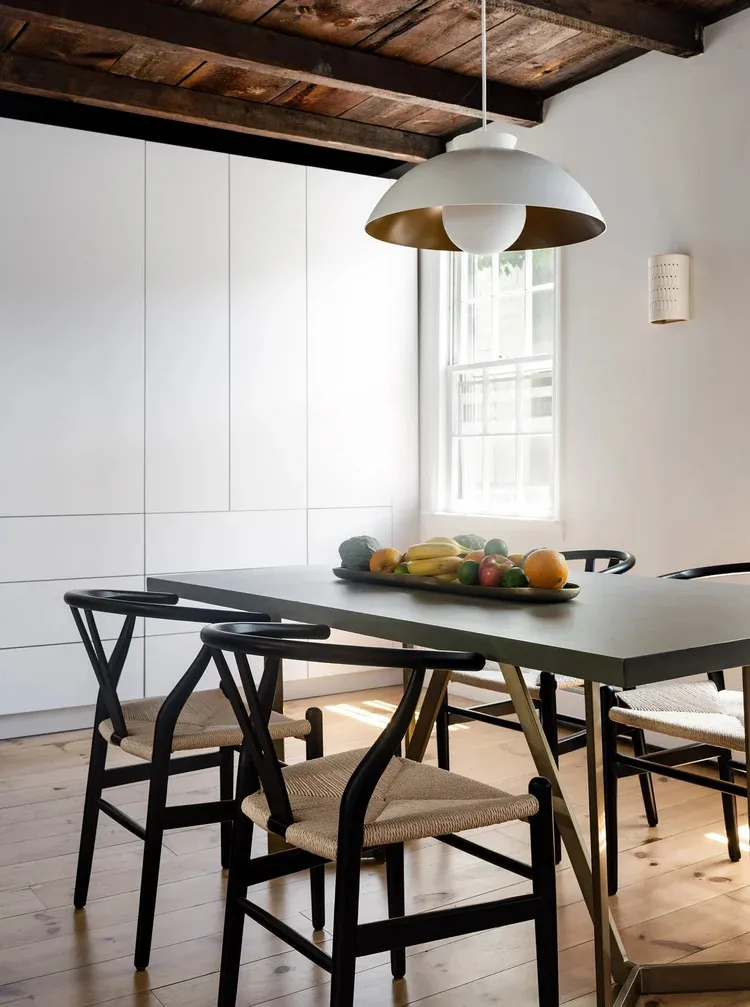
You’ve found a great vintage piece and decided it’s worth it. Congrats! Now it’s time to mix these older pieces into your modern home. It might feel a little daunting at first, but these expert tips will make the process easy.
All three experts agree that vintage furniture pairs very well with more contemporary pieces. Murray also notes that your personal tastes should dictate how you design a room, rather than trends or what’s “supposed” to look good.
“Mix eras and styles you’re drawn to naturally to create a space that feels authentic and timeless,” she says. “And always add something unexpected—design doesn’t have to be serious; it can (and should) be fun.”
Once you choose the room and the right location, you can start restoring and styling, carefully keeping the original look while fixing any damage or flaws.
Salter has two recommendations: First, give your vintage pieces “room to breathe,” rather than stuffing them into a corner. Second, use accent lighting as more than just a way to light up your room.
“Let the piece have its moment—spotlight or directional lighting can highlight its details,” she says.