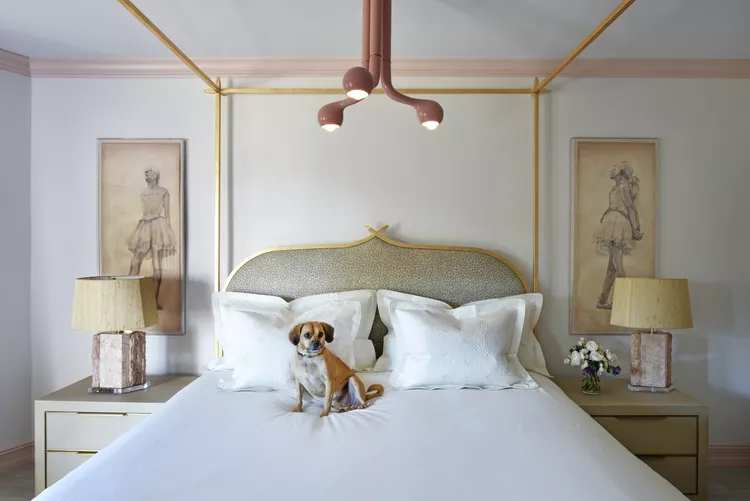
Retro style is making a major comeback and is especially popular among millennials. We spoke with designers who reflected on the style’s origins and key elements and also offered advice for those looking to incorporate retro pieces into their own homes. The key? Not going overboard with retro items and mixing and matching finds from other eras, too. We talked with designers about how to do just that.
Origins
If you associate retro style with the “Mad Men” era (named after the TV show that takes place in the 1960s) you’re on the right track. Primarily, retro style refers widely to the midcentury modern time frame with its many distinct styles, colors, patterns, furniture, and decor, explains designer Eleanor Trepte. She further explains, “Original retro style is rooted in the color and design ethos of the ’60s and ’70s, but faded away in the ’80s through early aughts (2000 to 2009) as other, more contemporary design styles came into favor.”
However, this is not always the case, notes designer Jonathan Rachman. “While a midcentury modern interior may be a type of retro style, it is not always,” he says. Rachman explains that retro-style interiors may also reflect influences of art deco, rococo style, or other design elements of the past.
Key Characteristics
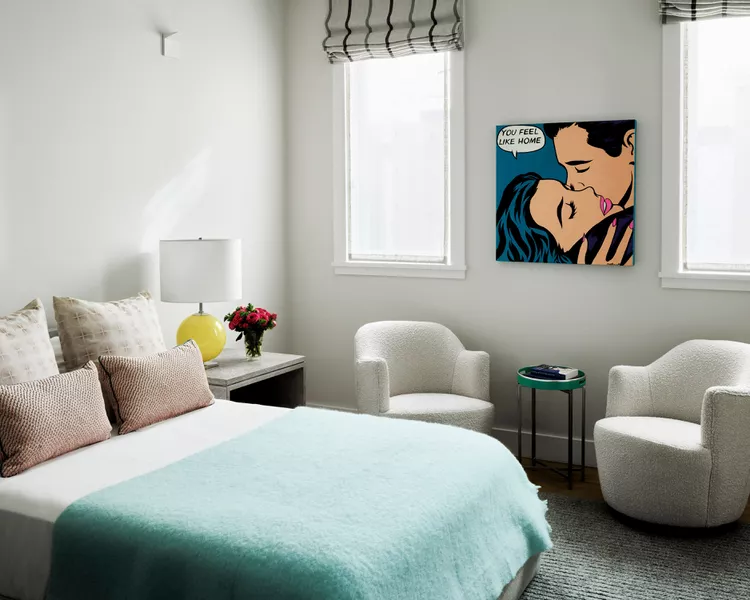
As noted, midcentury modern furniture is one hallmark of retro style, specifically its characteristic curved or angled pieces featuring bold hues or metals like chrome, Trepte says.
Retro style is also known for certain hues, such as avocado green or its rainbow of psychedelic colors, Rachman notes. Other popular retro colors include mustard yellow, orange, and cherry red, says Trepte. And don’t forget about pattern and texture galore, she adds, citing bold wallpaper and shag rugs as key examples.
Decorating Tips
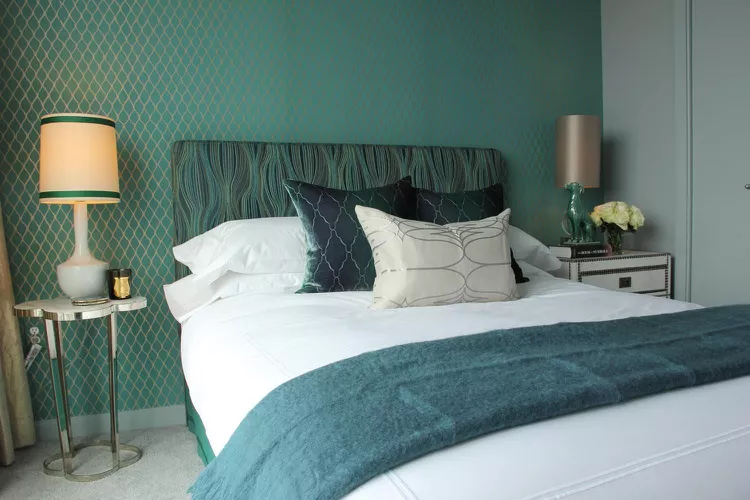
Rachman advises those designing a retro-style space to practice moderation. “Unless you are trying to do a movie or theater set to be historically accurate, please don’t take the retro style to a level so that it becomes theatrical,” he states. “Plan and scheme your design based on either a piece of furniture, light fixture, or wallpaper from a certain era, then build your design from that one inspiration.”
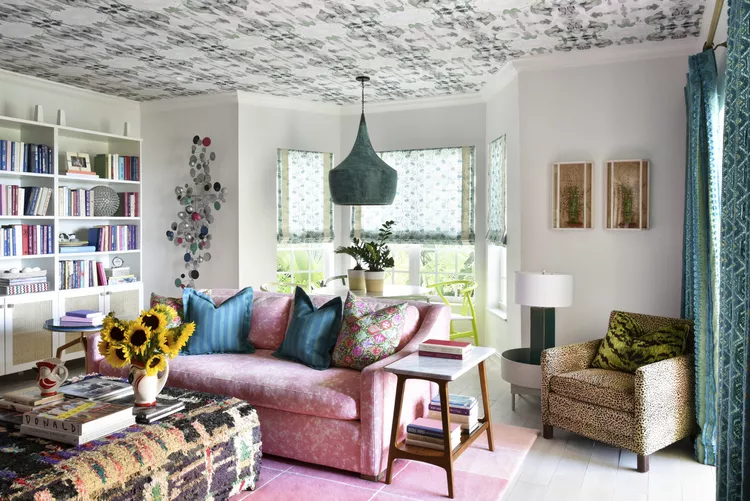
Rachman adds, don’t worry about paying homage to only one particular era. “It is absolutely okay to use a midcentury-inspired bucket swivel chair in a grand drawing room with a classic chinoiserie pattern from the 18th century and combine them with a console from the 21st century.”
Trepte agrees. “For instance, we love midcentury modern sofas or chairs in bold colors, but then counteract that with sleek hardwood or carpet, a contemporary coffee table, and white walls,” she says. “It is all about balance when it comes to retro style.”
Elements of The Style’s Recent Revival
Millennials, often referred to as the nostalgic generation, may have boosted the resurgence of retro style because they appreciate the comfort of these familiar, classic designs from their childhoods.1 These once-discarded retro pieces of furniture are now seen as special and intentional, says designer Blima Ehrentreu, who notes, “Furniture or decor that may once have been overlooked as outdated or tacky in a thrift store now works in a space that is meant to look retro.” Young professionals looking to decorate on a budget appreciate the ability to buy these items secondhand, knowing these familiar, classic designs will last because they are made so well.
Rachman believes that retro style never truly disappeared and that we have become more aware of the style and how to access genuine secondhand pieces thanks to technology. “Every century, and decade within the century, we have always mixed interiors, borrowing from the past, mixed in the present,” he explains. “The internet and social media have exposed the retro style exponentially.” Rachman says we no longer have to wait for monthly magazines or TV shows to help us cultivate our sense of retro style since all we need is right at our fingertips.