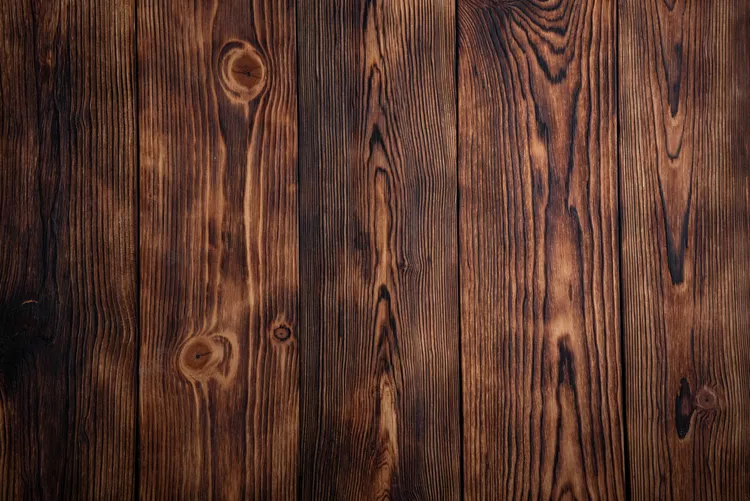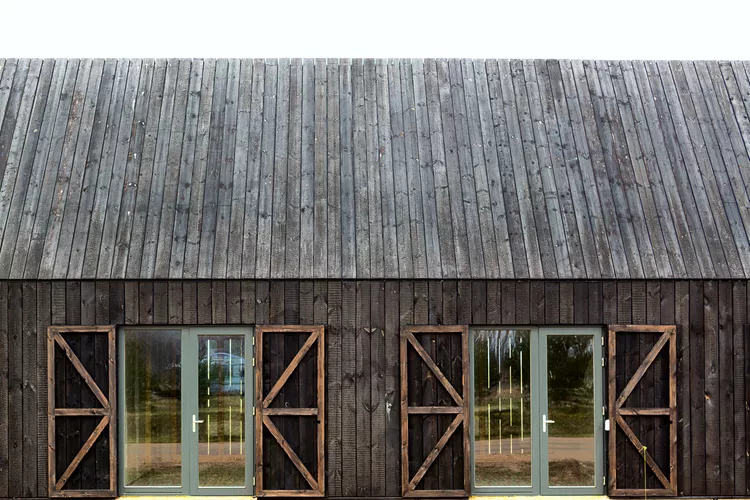
Shou sugi ban is a traditional Japanese wood-burning technique that transforms wood planks into something both durable and beautiful. Developed in the 18th century, this method involves charring wood surfaces, which helps preserve and strengthen the material. Originally practiced by skilled artisans, shou sugi ban has become accessible to DIY enthusiasts and has gained global appeal for its distinctive aesthetic and practical benefits.
What Is Shou Sugi Ban (Yakisugi)?
This traditional Japanese wood preservation method involves voluntarily charring clean wood to create a textural surface that is beautiful to look at and that, when executed correctly, offers practical advantages.
- The process: Virgin wood is carefully selected, cut into planks, dried in the sun or open air, burned on the surface to create a thin layer of char, and then cooled, brushed, washed, and sealed with oil to make it more durable.
- Meaning: Yakisugi means “charred cedar or cypress,” while “shou sugi ban” translation is meant to translate to “charred cedar/cypress plank.” Yakisugi is the term most often used in Japan. Cedar is in the cypress botanical family. Japanese cypress is considered the gold standard for purists, although other wood types can be used to varying degrees of success.1
- Qualities: Yakisugi is waterproof, weatherproof, rot and mold-resistant, fire resistant, and protects against termites and other insect infestations.2
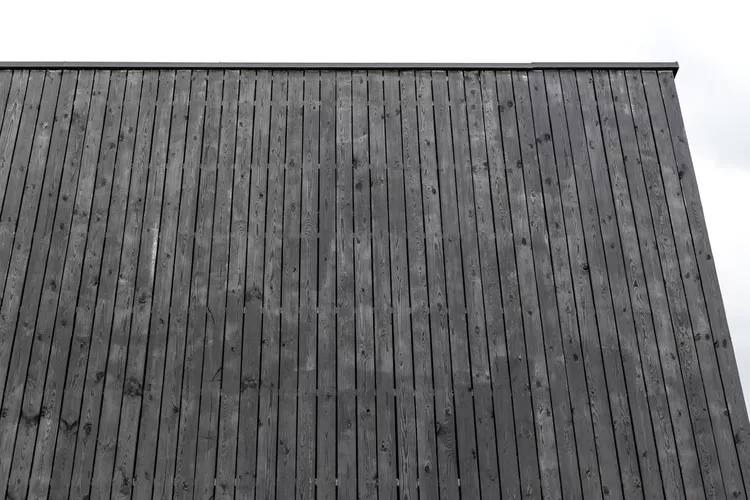
- Appearance: The charred appearance highlights natural wood veining, creates textural interest, and varies in appearance according to how much fire is applied and which type of wood is used.
- Architectural use: This treatment is used for outdoor architectural elements such as siding and indoors on walls and furniture. The aesthetic qualities of shou sugi ban have inspired a revived interest in the wood-charring technique in recent years, which has become a prominent trend in architecture and interior design globally.
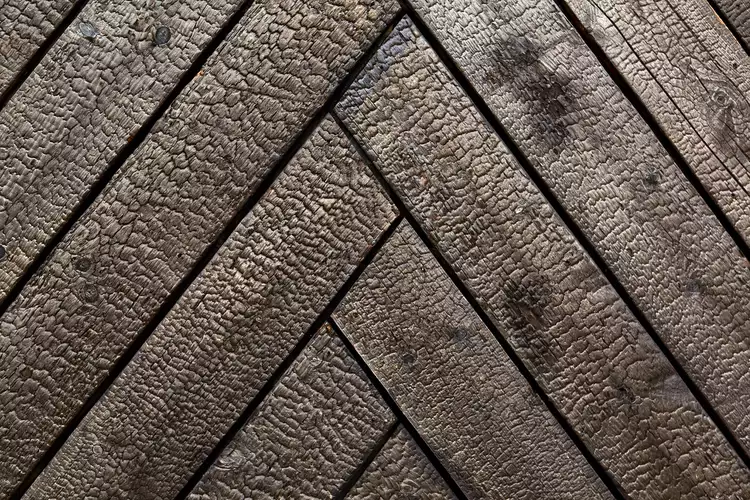
The Origins of Shou Sugi Ban (Yakisugi)
Shou sugi ban in traditional Japanese architecture predates the practice of using chemicals to treat cedar cladding to make it weatherproof and protect wood siding. It emerged in the 1700s and is traditionally tied to the Edo period.
The act of “fire-hardening” is not new; people have used it for over 400,000 years.4
While it might seem counterintuitive, charring wood doesn’t make it structurally weaker but has the opposite effect. Burning the surface of the wood under controlled conditions fortifies and protects the wood against future damage, making it an excellent preservation technique.
Uses of Shou Sugi Ban (Yakisugi)
This centuries-old technique lends a fresh and contemporary edge to modern architecture. The distinctive look of deeply saturated charcoal black wood has an understated but powerful presence that creates instant drama and interest in even the most minimalist structures and applications.
In recent years, the look of shou sugi ban has become so on-trend that it has inspired designers to experiment with charred wood in surprising ways.
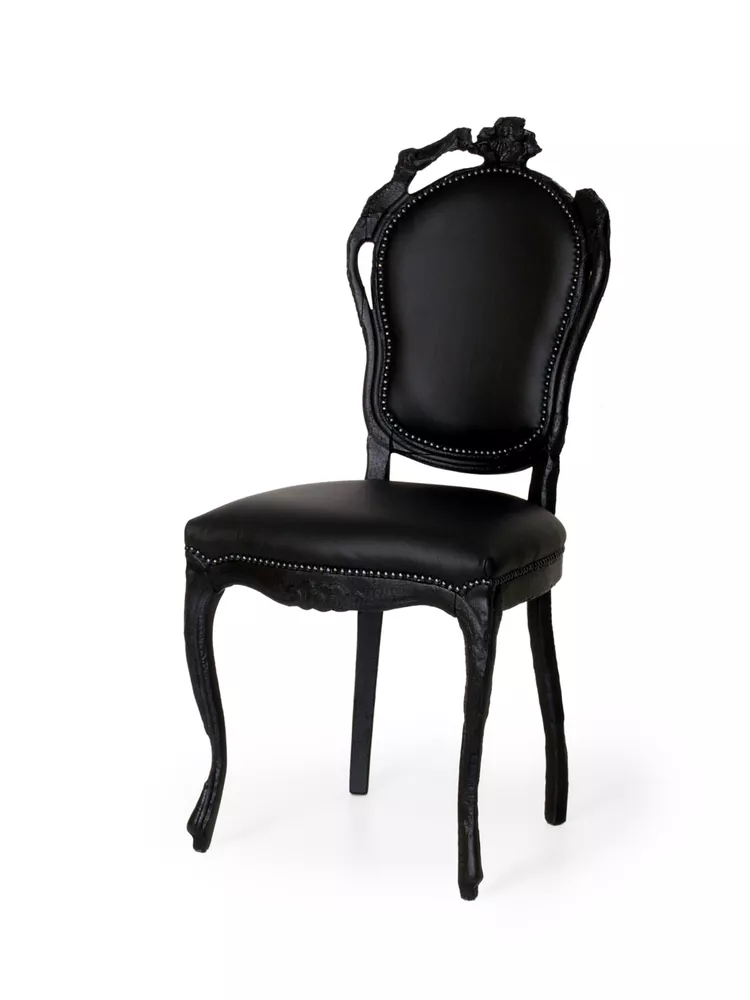
Dutch designer Maarten Baas is known for his Smoke series for the luxury brand Moooi, which includes a charred armchair and a blackened wood chandelier sealed with transparent epoxy resin. Inspired by shou sugi ban, Baas and Dutch designer Piet Hein Eek designed “burnt wood wallpaper” for NLXL, which offers an accessible trompe l’oeil way to incorporate the look.
You can now find faux shou sugi ban panels made from treated (but not charred) and reclaimed (rather than new) wood on the market.
Applications for shou sugi ban:
- Siding, fencing, decking, and door or window frames on the exterior of homes or other buildings
- Interior wall and ceiling cladding
- Outdoor furniture, such as tables and chairs
- Indoor furniture, such as chairs, tables, dressers, and cabinetry
- Designer creations such as chandeliers and even jewelry
- Interior and exterior accent walls and panels
Pros and Cons of Shou Sugi Ban (Yakisugi)