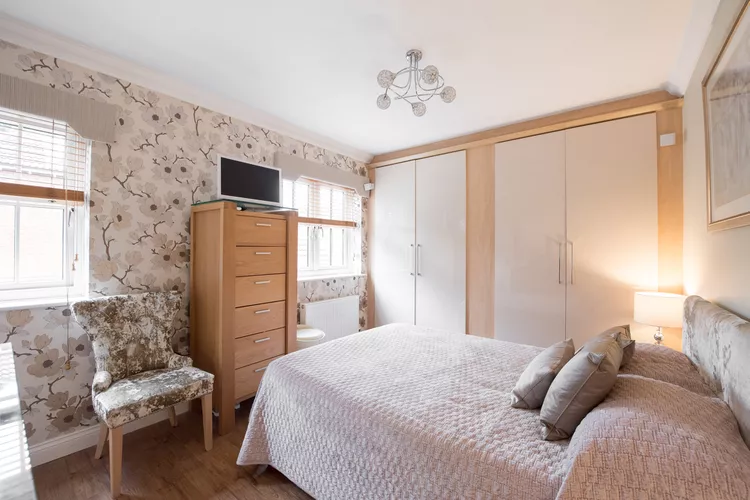
Everyone’s approach to decorating a bedroom might vary, but one thing is for certain: peace is key. If your sleeping space is feeling anything but, there are a few features that instantly ruin a bedroom that may be to blame.
“It’s the one place in your home that is 100% dedicated to rest, recovery, and relaxation,” explains interior designer Catherine Shuman. “So when I walk into a bedroom that feels more like a catch-all chaos zone, I know we’ve got some work to do.”
Here are seven bedroom features that might be disrupting your space and how to fix them.
Poor Lighting Options
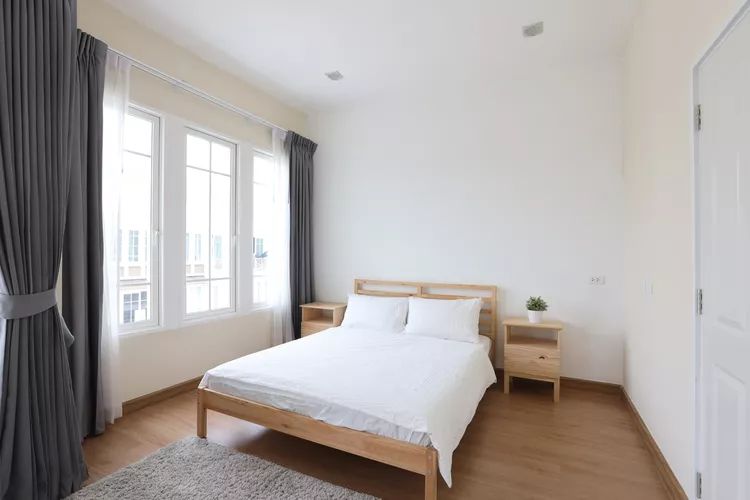
We’ve said it before and we’ll say it again: Overhead lighting is not it. While it might be one of the lighting types in your room, it shouldn’t be the only.
“Bright white LED bulbs can make a bedroom feel cold and clinical, casting unflattering shadows and creating a mood that feels more like a workspace than a sanctuary,” says interior designer Andrea Schumacher.
To fix it, layer your bedroom lighting with dimmable sconces, table lamps, and pendants.
“For a quick and impactful improvement, I always recommend switching to warm-toned bulbs and adding bedside lighting with fabric shades to create a more inviting and relaxing atmosphere,” she says.
Oddly Proportioned Furniture

The shape of your furniture is one thing, but proportion and size are a whole other game. Shuman considers oversized furniture a red flag, particularly pieces that aren’t scaled for the size of your room: Bedside tables that are too tiny, oddly-sized dressers, or enormous beds can mess with the overall aesthetic of your space.
“I’ve seen bedrooms where the king-size bed eats up so much space, you’d have to shimmy sideways just to get into it,” she says. “Opt for a bed size that meets your needs but leaves breathing room around the perimeter and consider visually lighter pieces to keep things airy and functional.”
Her recommendations? Open-base nightstands or floating shelves are good places to start.
Non-Existent Window Treatments
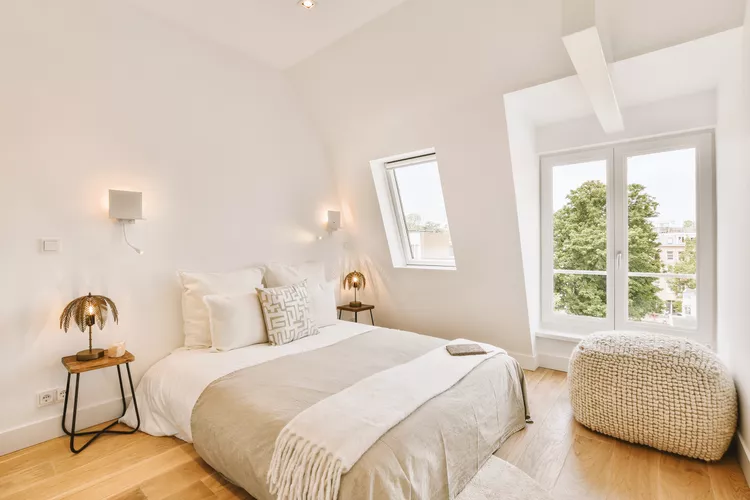
Light pouring through your windows makes a bedroom feel gorgeous, but keeping those panes and frames as-is with no window treatments might look a tad weird.
“Bare windows can make a space feel stark and unfinished, while also leaving no room for privacy or light control,” says Schumacher. “I love using soft drapery or Roman shades in natural materials to add warmth and texture to a bedroom.”
If you’re not ready to pull out the drill, she says that tension rods and adhesive curtain hardware can create the same impact without requiring major renovations. This is great for renters too.
“It is such a simple fix, but it completely transforms the tone of a room,” she adds.
Overstimulating Colors
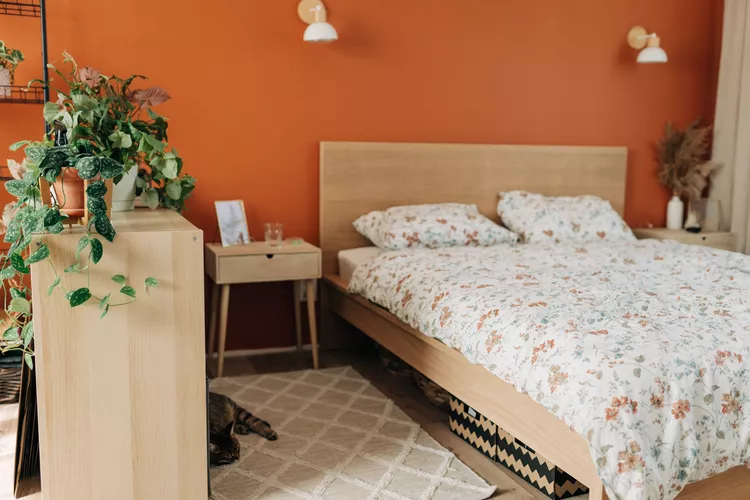
“Every room should evoke a sense of balance, comfort, and intention; especially the bedroom, which is one of the most personal and restorative spaces in the home,” Schumacher says.
Even if the furniture is perfect and your lighting is just right, the shade on your bedroom walls might be a room-ruining culprit.
“Highly stimulating wall colors can impact sleep quality,” says Shuman. “I recommend nature-inspired neutrals, soft sage greens, and muted blues to help signal your brain that it’s time to wind down.”
It’s amazing what a lick of paint or wallpaper can do. Renters—or homeowners who haven’t yet decided on a paint color—can make an impact in other ways.
“You can also update your bedding, curtains or artwork to reflect these calming tones and make a big difference,” she says.
Relying Too Heavily on a Theme
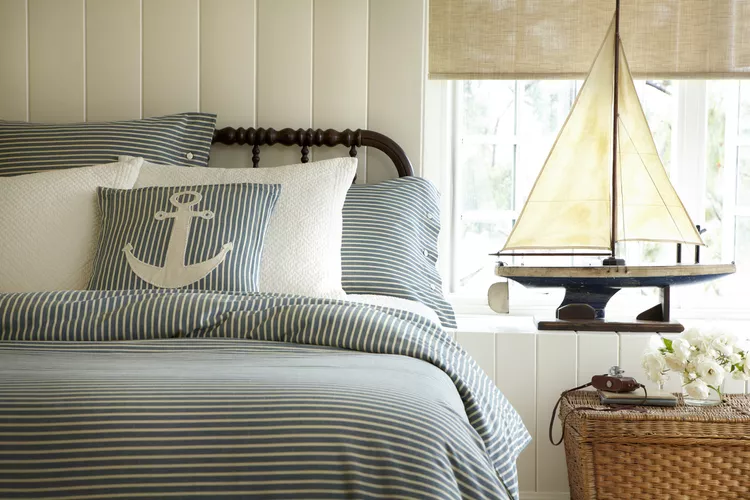
Finding a bedroom style or theme creates a great set of guidelines for decorating your space. However, it can cross from inspiration into overdone pretty quickly.
“I see many bedrooms where the decor leans too heavily into a single theme, whether it’s coastal, glam, or bohemian, and the result can often feel more like a set than a home,” Schumacher explains.
To avoid this, start with less. You can also add more elements into the mix, but incorporating decor, furniture, bedding, lighting, and objects that all tie into a theme can take it too far.
“I always recommend building a neutral foundation and letting themed elements come through in thoughtful accents like pillows, art, or textiles,” she says.
Technology Overload
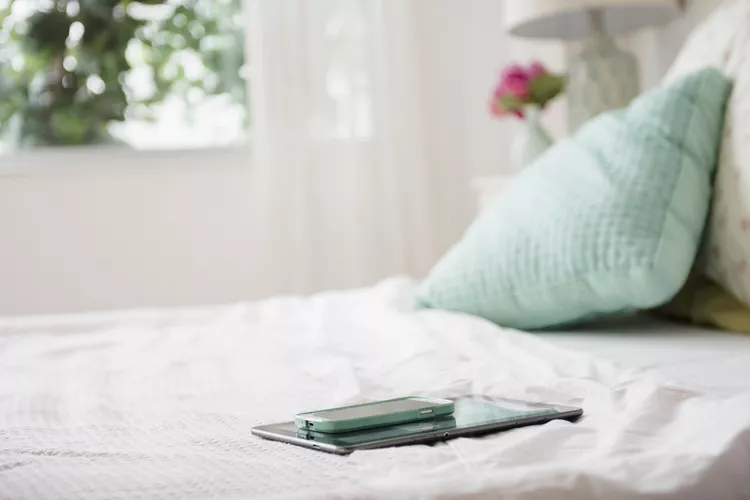
We have all kinds of gadgets in our homes these days. While they keep us connected and make living more efficient, too much tech can overwhelm you and your bedroom.
Shuman notes that everything from our numerous chargers spilling out of outlets to the TVs and laptops in our space makes it harder to relax at the end of the day. There is a way to manage it, though.
“Try setting up a charging station in a different room (or at least across the room), stash cords and devices in a drawer or decorative box and aim to power down screens well before bedtime so your body has time to get the memo,” she says.
Over-the-Top Wallpaper
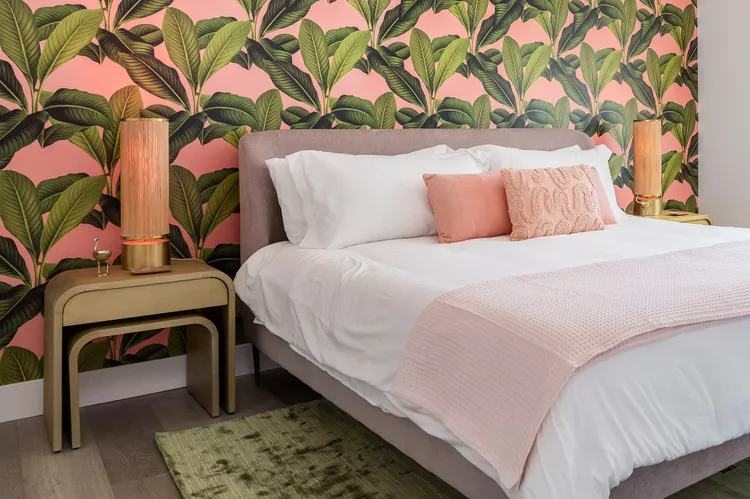
“Wallpaper is another tool I love to use in bedroom design, but it requires careful balance,” says Schumacher. “When a bold pattern is applied without thought to scale or placement, it can easily overwhelm the room or distract from the architecture.”
Instead, take her lead and use it as a statement feature behind a bed (like a headboard) or frame it between moldings. She also suggests picking something in a gentler, more subtle color or pattern. This means it’ll stand out but not overwhelm you.
“For clients who are renting or not ready to commit, peel-and-stick options are a fantastic way to experiment,” she adds.