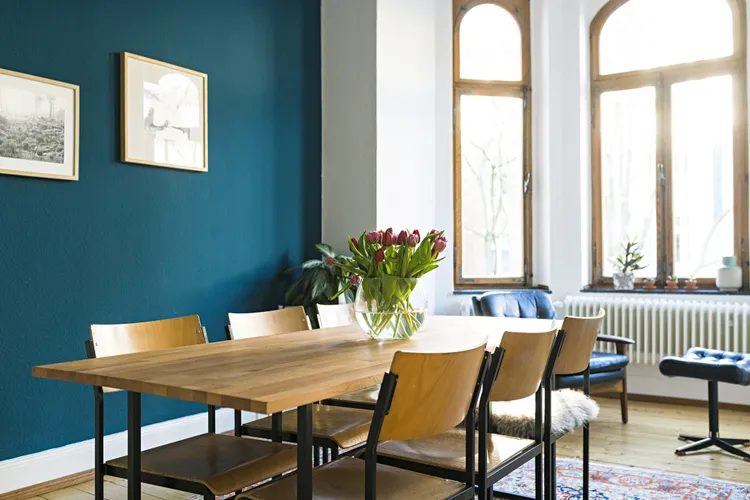
Interior designers aren’t sticklers when it comes to following standard dining room rules, many of which they now view as outdated.
Here, three pros speak to six rules in particular that they do not feel as though people need to follow—take a cue from their alternative approaches instead as you prep your dining space for holiday entertaining.
Using Upholstered Chairs Only
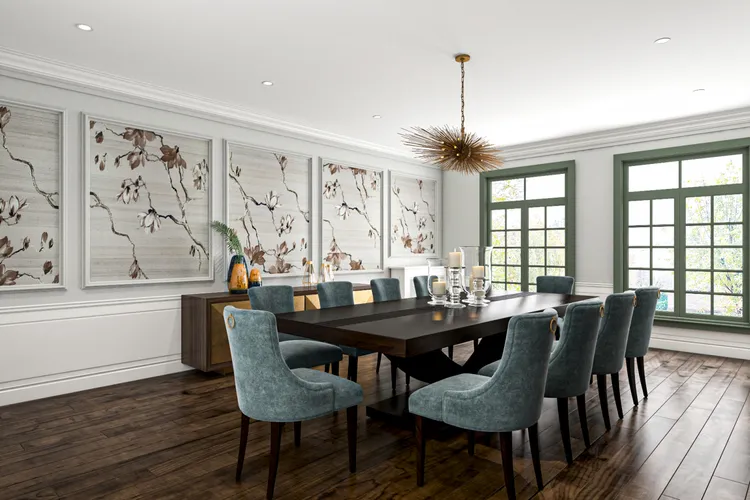
By no means do you have to spend the time and money getting the chairs in your dining room upholstered, says designer Ayten Nadeau.
“If you only gather there for the holidays, skip the extra cost and opt for sculptural wood or mixed-material chairs,” she says, explaining that these are comfortable enough for a handful of gatherings throughout the year.
Of course if you truly sit at your dining room table every day that’s a different story, but for most people that is not the case.
Going Matchy Matchy
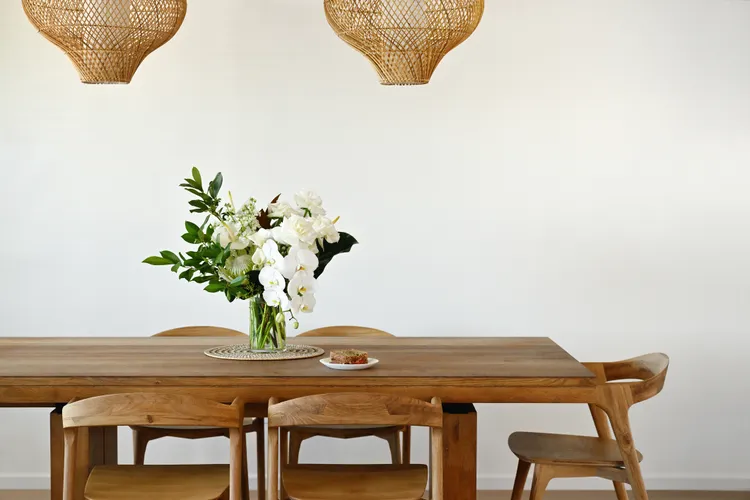
Designers are all about varying the textures they use in the dining room and do not believe that the chairs they select need to match the dining table perfectly.
“A perfectly coordinated set can make a dining room feel contrived, boring and flat, especially during the holidays when people are seeking warmth, depth, and character,” says interior designer Elana Mendelson.
As you prep your own dining space for upcoming gatherings, consider taking a cue from Nadeau and style a wooden table with metal or matte black chairs.
Incorporating an Area Rug
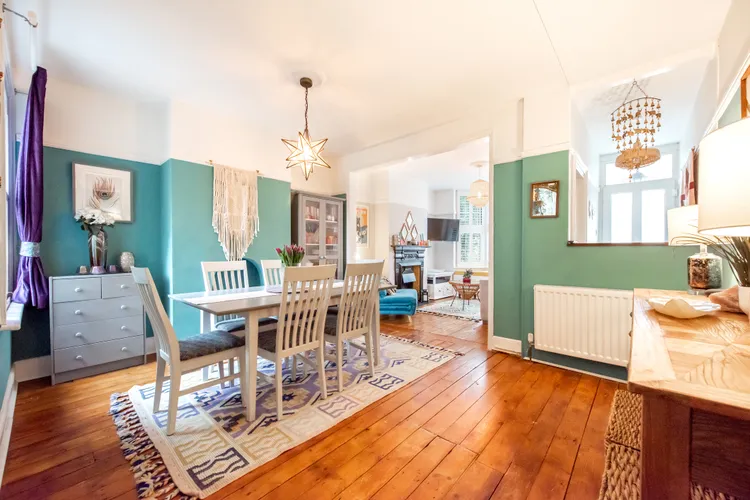
If you’re worried that your dining room setup doesn’t look complete because you didn’t incorporate an area rug in the room, stop stressing. Nadeau maintains that an area rug is by no means essential for an elegant dining space.
“In certain layouts, a rug can make the room feel visually constrained or limit how the table can shift when you are accommodating a larger group,” she says. “Skipping the rug can actually be a strategic design choice.”
Going Ultra Formal
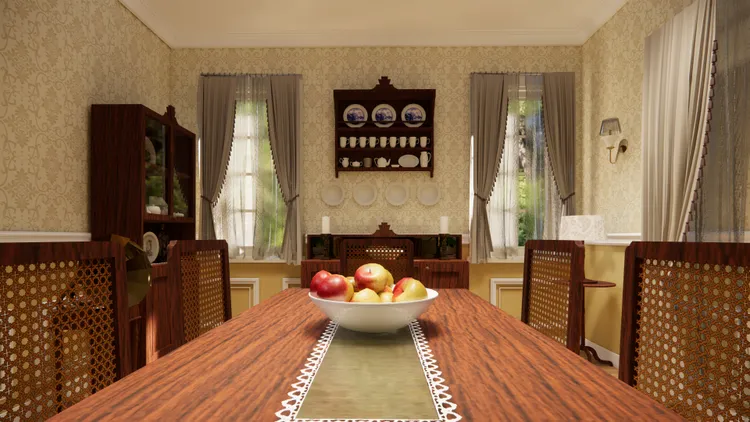
“Formality for formality’s sake is outdated,” Mendelson says.
Instead, the designer treats the dining rooms she works on as accessible, family-friendly spaces. She understands that in many instances, a dining room isn’t just for hosting dinner parties—it’s also where people gather to complete homework, host game nights, and the like.
“A room that’s only ‘for show’ ends up feeling stiff, stuffy and uncomfortable and no one can truly relax while in it,” Mendelson says.
She prioritizes practical features including comfortable seating options, layered lighting, and performance fabrics.
Showcasing Classic Art Pieces Only
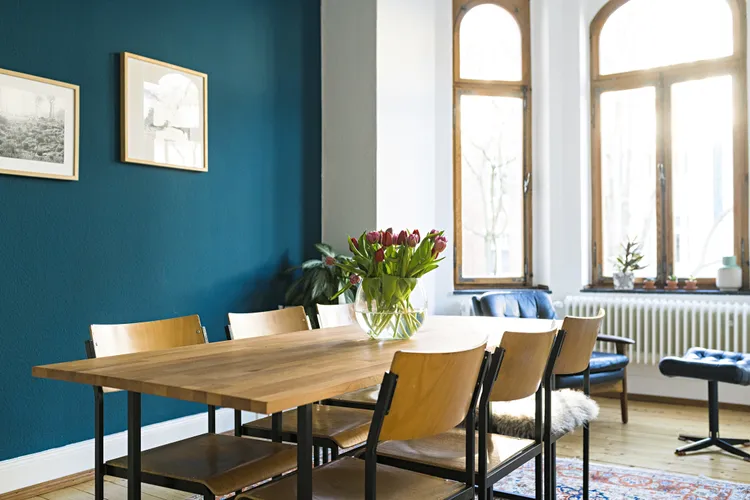
There’s no need to stick to traditional works of art in the dining room when you can display a range of items on the walls. Designer Rebecca Amir is all about thinking outside the box here.
“Whether it’s a beautiful menu or matches from a favorite restaurant, plates from a family member’s collection, vintage postcards from a destination special to you, including art like this helps the room feel personal,” she says.
You can even bring in some seasonal pieces ahead of hosting Thanksgiving or Christmas dinner.
Only Incorporating Traditional Seating
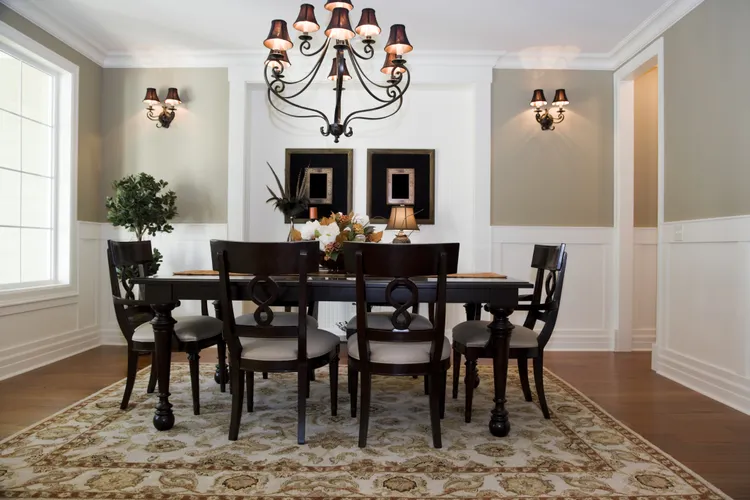
Last but not least, Amir underscores that a dining room doesn’t have to solely feature standard dining chairs.
If space allows, she is all for weaving in seating options such as a sofa, bench, or even a pair of armchairs as well as a side table. with a small side table.
“It instantly creates a more flexible and inviting environment, encouraging guests to move freely,” she says, adding that it provides a space for younger children to relax when they’re tired of sitting at the dining table.