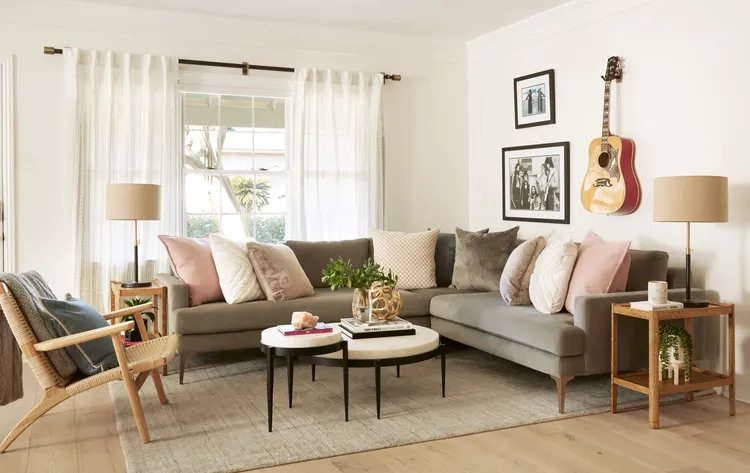
Smart design choices will make a small living room more functional and create the perception that it’s larger than it is.
“A small living room doesn’t have to feel like you’re settling for less than great design,” says interior designer John McClain. “With the right layout, smart scaling, and furniture that lets the space breathe, it can feel stylish, open, and totally pulled together. It’s not about perfection—it’s about being intentional about every choice.”
We asked McClain for his favorite trick to make a small living room feel bigger.
Choose Furniture With Raised Legs
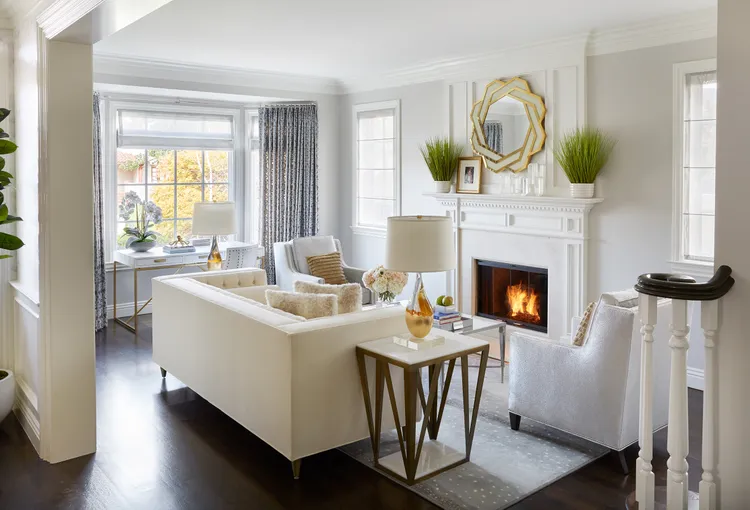
McClain creates visual lightness by choosing seating that is raised up from the floor.
“I always opt for sofas and chairs with exposed legs, even if it’s just 4 to 5 inches—no skirts or frames that extend all the way to the floor,” he explains. “When you can see under and around your furniture, it gives the illusion of more floor space, which instantly opens up the room.”
Pair seating with raised legs with a glass, mirrored, or open-sided coffee and/or side tables, “and the entire space breathes a little easier,” he says.
Avoid Pieces That Sit on the Floor
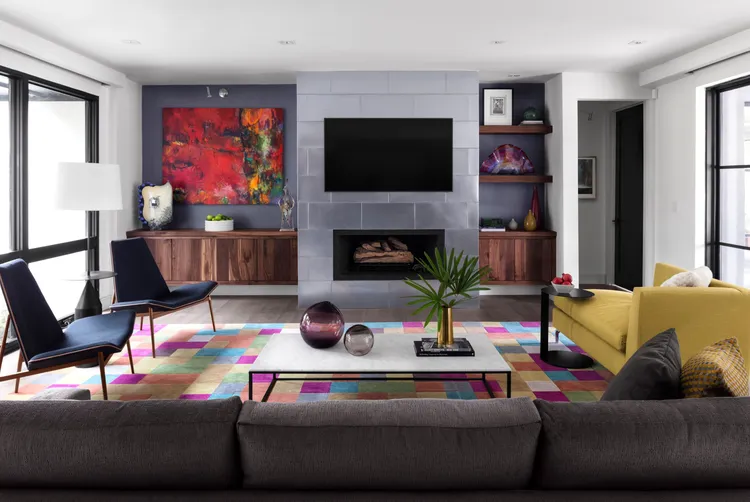
Oversized furniture that sits directly on the floor—whether it’s skirted or has a low, chunky base with barely-visible feet—will visually weigh down the space, McClain says, breaking up the floor line and creating a boxed-in, heavy look.
“When the floor gets chopped up by big, grounded pieces, you lose visual flow,” he explains. “Your eye has nowhere to travel, and the room feels more cramped than it actually is. Light, lifted pieces create the illusion of more space—even if the square footage hasn’t changed.”
Pay Attention to Scale
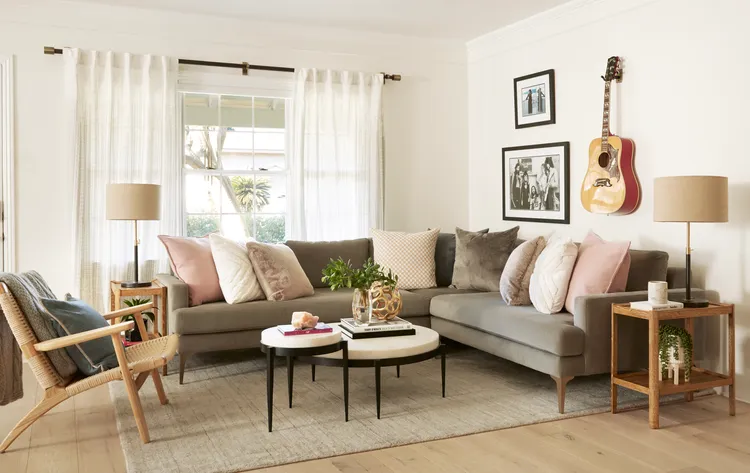
The secret to making this trick work is choosing furniture that is the right size, shape, and scale for your small living room layout.
“Edit more than you think is necessary and always prioritize the scale of the pieces,” McClain advises. “Instead of a clunky, chunky sectional that visually eats the entire room, go for an L-shaped sofa with a chaise (and raised legs). It keeps the sight line open and unobstructed, minimizes the need for multiple furniture pieces, and still gives you that cozy feel.”
Tips for Styling Furniture With Raised Legs
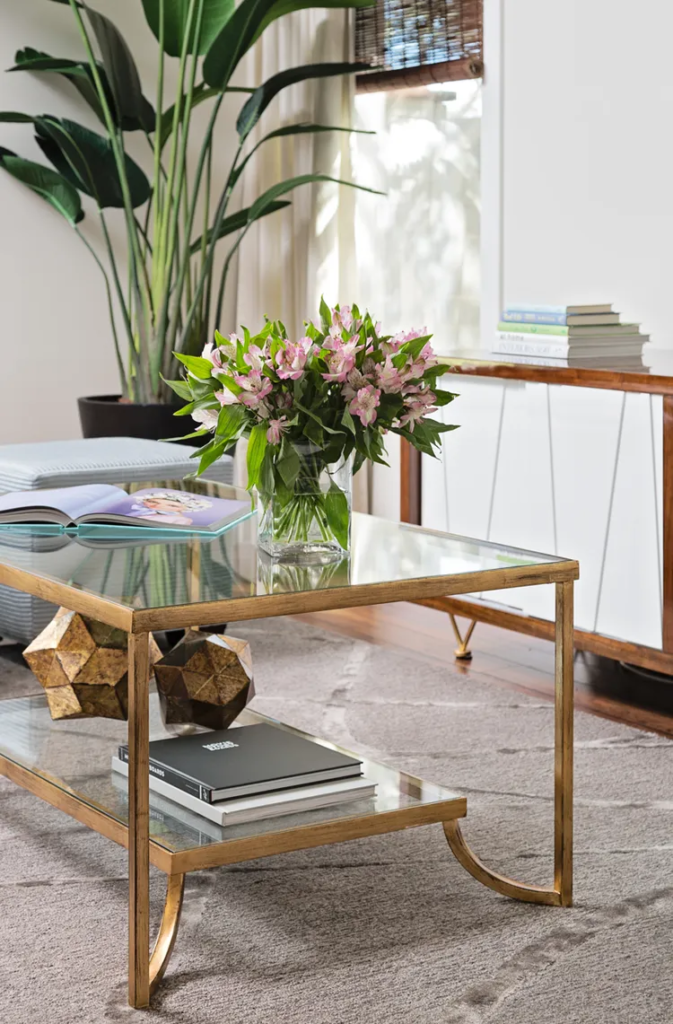
In addition to choosing a sofa without a skirt or hidden feet, McClain advises home decorators to avoid these common mistakes in order to make their small living room work:
- Too many furniture pieces: “Trying to squeeze in every seating option just clutters the layout,” he says. “Fewer multi-functional pieces—like an L-shaped sofa—are more effective and make the space feel purposeful.”
- A too-small area rug: “When your rug floats like a tiny island in the center of the room, it actually makes everything else look oversized and out of scale,” he cautions. “A larger rug that at least fits under the front legs of all seating ties the space together and makes it feel more expansive.”
- Dark, heavy finishes everywhere: “Rich tones and heavy materials add unnecessary visual weight,” McClain argues. “Instead, use reflective surfaces, sheer textiles, and lighter tones to stretch the space.”
- Lack of vertical styling: McClain emphasizes the importance of utilizing vertical space. “Floor-to-ceiling curtains, tall lamps, and vertical wall art help draw the eye up and make the ceiling feel higher,” he says.