
Not too long ago, buying a matching furniture set was like a hallmark of really making it as an adult. The cohesive look of matching furniture brought a sense of sophistication and coordination to a space—plus, they made decorating a room feel easy.
But we no longer seeing matching furniture sets in professionally designed homes—in fact, we’re barely seeing them at all anymore. So, is matching furniture officially out of style? Does it make interiors look dated? Is it time to retire that hard-earned matching bedroom set you invested in?
We turned to two interior designers to answer these questions and more. Here’s what they had to say about matching furniture (including what to do and what not to do) and whether or not it’s still in style.
Matching Is Out, Curated Is In
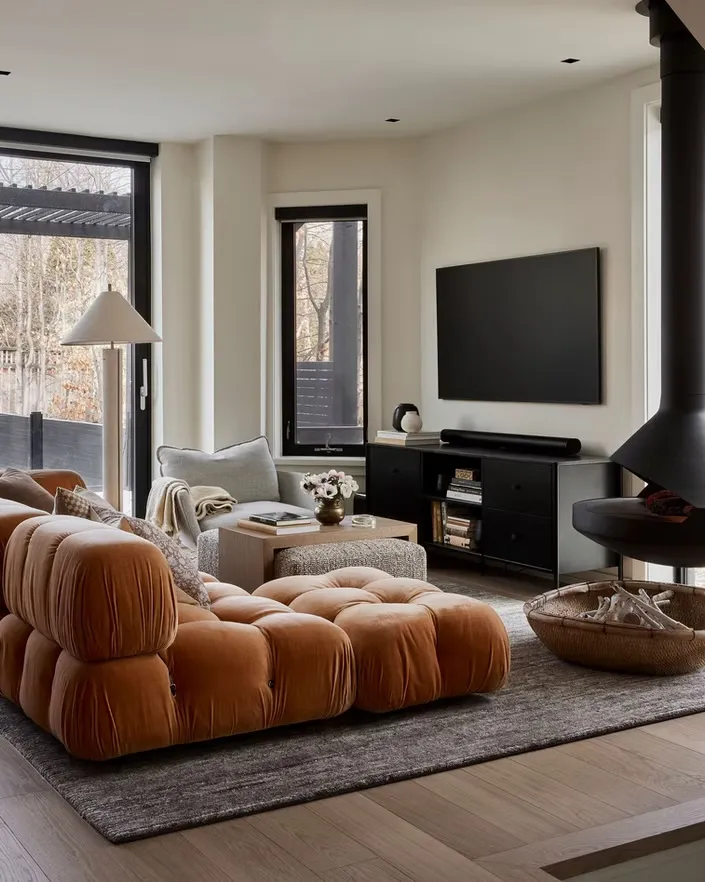
Interior designers agree: matching all of your furniture is outdated. In today’s design landscape, where personalized and layered interiors reign supreme, overly matchy interiors can fall flat and feel one-dimensional, says Katherine Moore, co-founder and architect of design at Murphy & Moore.
Instead, designers prefer to choose pieces that coordinate, without totally matching. The goal is to create a space that feels curated, storied, and unique to the homeowner—not just a copy-and-paste of some showroom somewhere.
Furniture with diverse shapes, materials, and styles helps create contrast and depth in design.
“A curated space feels lived-in. Personal,” says Kim Dee, founder and principal designer of Kim Dee Designs. “Mixing materials, finishes, and even styles adds dimension. Think: a sleek sofa with a vintage armchair, or a modern dining table surrounded by vintage chairs. Pieces you’ve collected over time, pieces that inspire, making your home feel unique.”
How to Style Mismatched Furniture Like a Pro
One of the reasons matching furniture sets were (and sometimes still are) so popular is the convenience they offer. One big purchase and your space is furnished, with little to no thought required on how pieces work together.
If the idea of curating a space with furniture that doesn’t match feels overwhelming, you’re not alone. Luckily, it’s not as complicated as it sounds.
“We recommend approaching furniture the way you might build an outfit,” Moore says. “Choose pieces that work well together without being identical.”
Of course, coordinating furniture is different than putting together an outfit, but the same principles apply. Aim to create contrast between different materials, textures, and shapes.
“For example, a vintage dresser might pair beautifully with a clean-lined upholstered bed,” Moore says. “In a living room, try placing a classic sofa alongside accent chairs with a different shape or texture. This kind of mix creates a space that feels intentional and collected over time.”
When in doubt, searching for inspiration online is a great way to determine what you like and how different pieces of furniture can be combined to create a cohesive look in a space.
What If You Already Have a Matching Set?
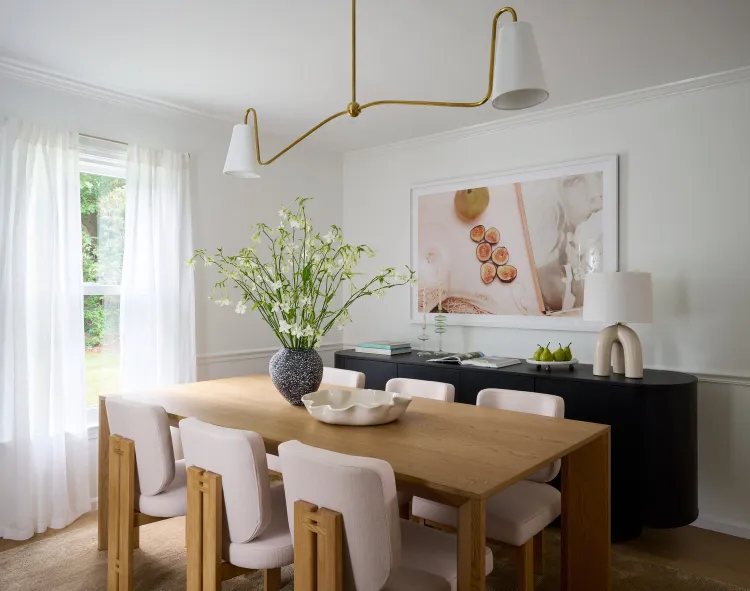
So, what if you already own a matching set? Throwing out existing furniture isn’t practical (or sustainable), and we don’t recommend starting from scratch, unless you want to, of course.
The good news is, you don’t have to. The experts have a few tips for styling and existing matching sets to help your space feel modern, fresh, and full of character.
“Break it up with styling,” Dee says. “Add texture through layered textiles, swap out a piece or two for something unexpected, like a sculptural side chair or an antique coffee table, or introduce contrasting lighting and accessories. Even reworking the layout can create much-needed visual separation.”
You may have a matching dining set and are willing to part with the chairs (or store them for the time being). New chairs that coordinate, rather than match, can change the look and feel of your space.
The same can be done with a bedroom set—moving side tables to other rooms in the home, selling them, storing them, or even giving them a DIY makeover. Maybe the matching armchair and sofa can be separated and used in different areas of your home.
Of course, if you have a matching set and you love the way it looks, then stick with it. The most important part of interior design is that the space feels inviting and personal to the people who live there.
But if you’ve been eyeing that matching set you bought years ago, and wondering why your space feels a little flat and impersonal, let this be your sign to try something new and switch things up.