
Poor design choices can make even a large living room appear small and feel cramped and cluttered. A cramped room is often uncomfortable, leading you to avoid using the space. To help tackle this issue, we consulted with several designers to identify common mistakes that make living rooms feel smaller and shared their tips on how to correct them quickly.
No Grounding Items
The assumption is that large statement pieces would make a room look smaller in comparison, but they’re actually helpful for grounding a space.
“Grounding a small space with larger scale items like a grand statement bookcase and comfy sectionals can actually make a small space feel larger and intentional,” says Sebastian Brauer, senior vice president of product design at Crate & Barrel.
Turn these pieces into focal points to create visual interest.
“Larger pieces and less of them will make a smaller space feel inviting and spacious,” says Shelby Van Daley, founder and principal designer of Daley Home.
Bad Scale
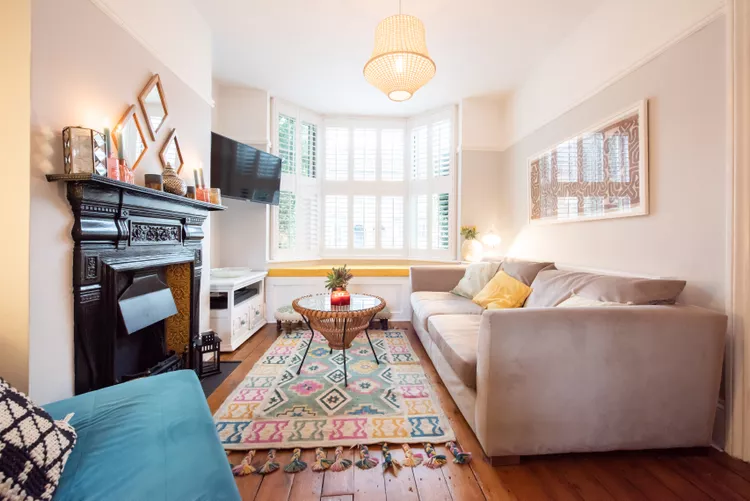
Incorrect scale is the number one thing designers agree will make a living room feel small, in multiple ways. Only choosing too-large furniture will make the room feel cramped.
“When oversized pieces are used, they can create the illusion that the area is more cramped than it is,” says Carly Filbin, principal designer at Blue Jay Interiors.
Jessika Gatewood, of Gatewood Designs, agrees: “It’s easy to fall in love with a grand sectional, but if it dominates the room, it can make the space feel cramped.”
But it also physically clutters the space and makes it difficult to move around.
“Furniture that is too large for a space can make the room feel smaller by restricting traffic flow,” Filbin says.
Clutter
Clutter will always make a room feel small, no matter the size.
“I recommend keeping decorative accessories to a minimum in smaller spaces to avoid visual clutter,” Filbin says.
Think of beauty and function as filters, and only choose or keep pieces that meet both of those standards. Everything else will fall into the category of clutter.
“Use multi-functional pieces, like a storage ottoman or a slim console, to maintain a clean, airy vibe,” says Gatewood.
Too Much or Poorly Placed Furniture
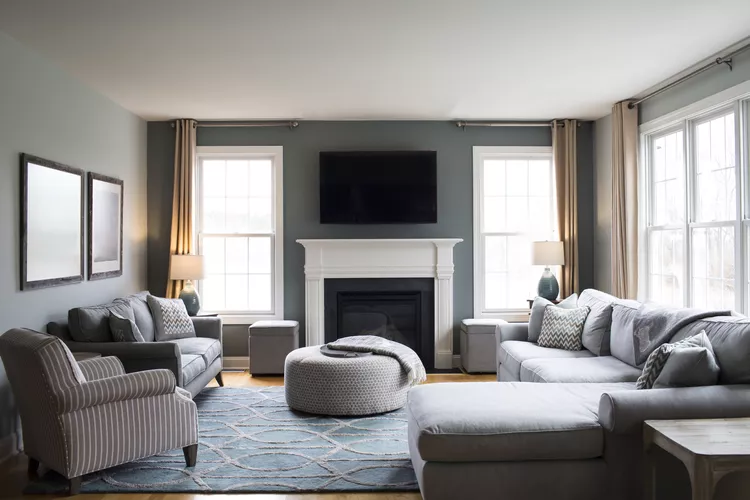
Just as you plan the furniture that goes into a room, you also need to plan the circulation. Too much furniture takes away from the ability to move through the room.
“When designing a small space you want to allow room for circulation throughout the room and into the seating area,” says Filbin.
“Arranging furniture too close to the walls or having all pieces pushed together can make a living room feel cramped,” Gatewood says. “A better approach is floating the furniture in the room, creating a sense of flow and openness.”
Gatewood suggests centering the seating area, leaving room for movement around the area.
To avoid having furniture look too symmetrical, Van Daley recommends using an offset chair and ottoman to break up the visual.
Lack of Layers
Don’t be mistaken—layers are not clutter. Layers are thoughtful design choices that build on each other: wall colors that complement fabric patterns, rugs that complement flooring, wall art and decorative pieces that complement everything.
Brauer insists that, along with the right scale and proportion, good living rooms are the ones with layers.
“Add curated decor layers in different materials, sizes and complimentary textures and patterns, to add dimension, interest and personality,” Brauer says.
Bad Color Choices
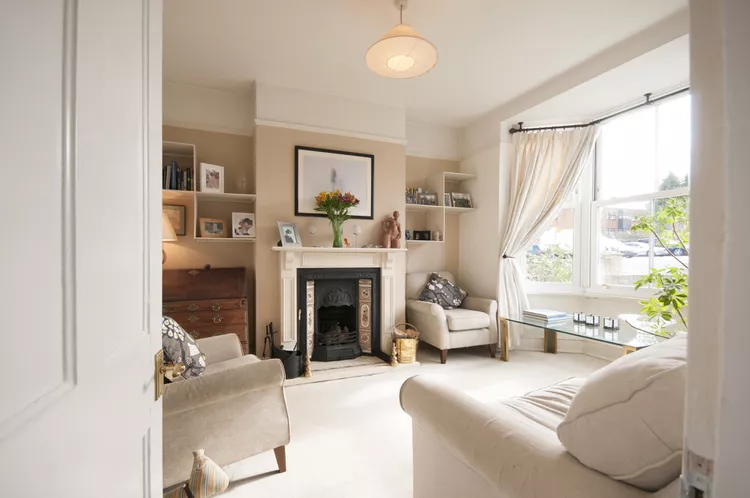
Too much of one color or texture can also make a space feel small.
“Using the same colors and textures, and a monochromatic palette from decor to furniture and textiles can also make spaces feel small,” says Brauer.
Brauer recommends varying shapes and textures and using complementary tones, such as an overstuffed sectional sofa in olive green paired with an angular travertine and burl wood coffee table.
The only place you can use one color is on the walls.
“Stay away from accent walls that will draw your eye to a single wall; instead paint all the walls the same color to create a larger space,” says Van Daley.