
After years of subway tiles as the default pattern, there’s a new trend on the rise. Lately, in bathrooms and kitchens alike, we’re seeing more and more rectangular tiles laid vertically.
But is this a quick trend or a new classic in the making? We checked in with a few design pros to gauge their opinion.
Is Vertical Tile a Mistake?
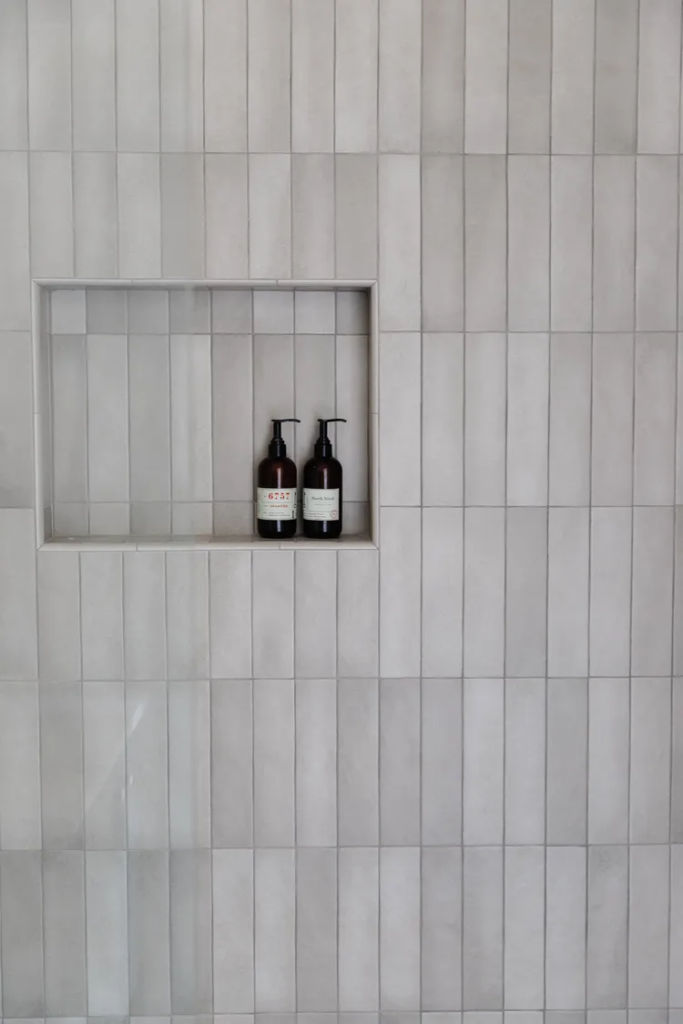
As with any trend, laying your tiles vertically is only a mistake if you’re unhappy with it in your home. But as designer Jamie Gernert points out, it’s also a trend that works best in some places, and not as well as others.
“Vertical tile installations can feel fresh, modern, and unexpected,” says Gernert. “They’re great for elongating a space visually—making ceilings feel taller or walls appear more dramatic.”
It’s this shock value that can make vertical tiling sometimes look like a mistake, but interior designer Lara Apelian agrees it’s all in the execution.
As she points out, you need to consider how it works with the overall architecture of the room.
“The best tile pattern is one that enhances the room’s aesthetic, supports the material palette, and feels natural to the space,” says Apelian. “Thoughtful tile orientation is a subtle design gesture with a big impact.”
If you’re concerned that vertical tiling is a quick fad that will soon be out, designer Thea Bloch-Neal says maybe that worry should be dismissed.
“Honestly, I do think vertical tiles are becoming a trend,” she says. “But the thing about trends is that they end up defining a whole design era—and there’s something kind of perfect and wonderful about that.”
If you’re on the fence about laying our tiles vertically, Gernert suggests assessing your overall design goal and really considering how vertical tile plays into your final vision.
“Are you going for height, modern simplicity, or something that feels a little different?” she asks. “Let’s mock it up, consider scale, grout lines, and how it relates to cabinetry, lighting, or windows.”
How to Fix Tile You Hate
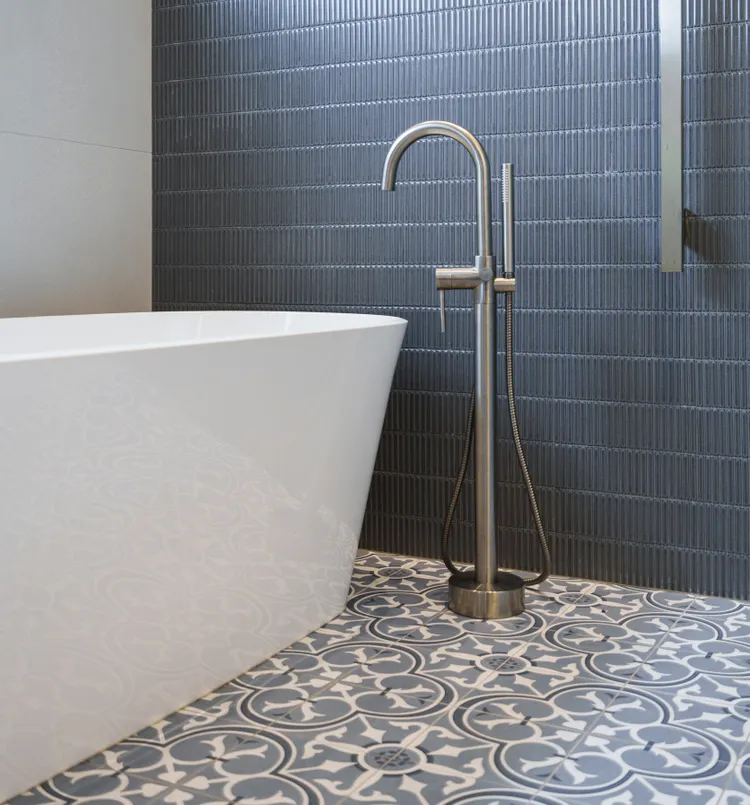
Ok, so let’s say you took a design risk, and now you’re unhappy. Don’t beat yourself up—it happens to the best of us. But you also don’t have to convince yourself to love something just because it’s in style.
“It’s not just about what’s trendy—it’s about what feels right in your space,” says Gernert.
The downside, of course, is that fixing tiles once they’ve been installed isn’t easy. In fact, Gernert says you’ll need to fully demo the previous job, invest in new material, and incur labor costs.
To avoid this, our designers shared a few suggestions.
- Do a dry lay. Lay your tiles on a flat surface in various patterns to get a sense of the proportions. Gernert suggests looking at them both vertically and horizontally to get a sense of how things might look on the wall.
- Use painter’s tape. If you need something more visual, Gernert says you can try taping out your tile dimensions with painter’s tape. This can better help you visualize space and scale, and confirm if you really want to commit to a vertical pattern.
- Mock up with adhesive tape. For a small area, Apelian says you might be able to create a visual using tile samples and double-sided adhesive. This way, you can also consider how your tile color will look in various lighting.
- Ask for a rendering. If you’re working with a helpful designer, a rendering or elevation sketch is another great option, says Gernert.
However, if you’ve committed fully and are now faced with a tile installation you hate, you really only have two options.
- Pay to have the tiles removed and reinstalled, which will likely involve investing in new tiles, materials, and labor.
- Cover up the previous pattern with peel-and-stick tiles as a temporary solution.
4 Other Popular Tile Patterns
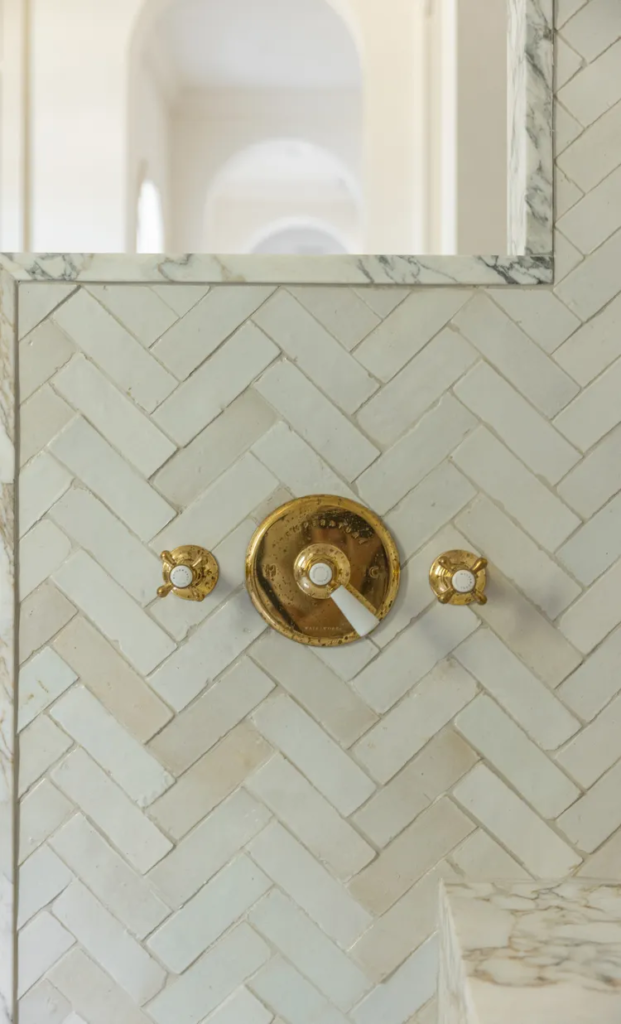
As you consider whether or not vertical tiles are right for you, it’s helpful to know what other options are out there. Gernert shared a few of her personal favorites.
- Classic running bond, aka horizontal subway style: Gernert calls this forever a staple, especially if you’re tiling a kitchen or bathroom. This is when your tiles are laid both horizontally and staggered.
- Stacked, either horizontally or vertically: Unlike running bond, stacked tiling is when your tiles are laid in an even line, stacked one on top of the other. Gernert notes this can look clean and modern, and works well in a minimalist space.
- Grid layout using square tiles: If you’ve decided to lean away from rectangular shapes entirely, a grid pattern can be both timeless and artisanal, according to Gernert. She especially likes this look with handmade or zellige styles.
- Checkerboard: Incorporating a second color for a checkerboard look is another way to add an element of surprise, says Bloch-Neal. This can be achieved using varying patterns or textures, as well.
Beyond considering the physical lay-out of your tiles, Bloch-Neal encourages people to also play around with the other elements that can really enhance your backsplash or tiled walls.
“Put your own twist on it,” she says. “Pair the tile with a bold wall color, or go with an unexpected grout color like terra cotta, green, or blue to elevate a simpler tile.”