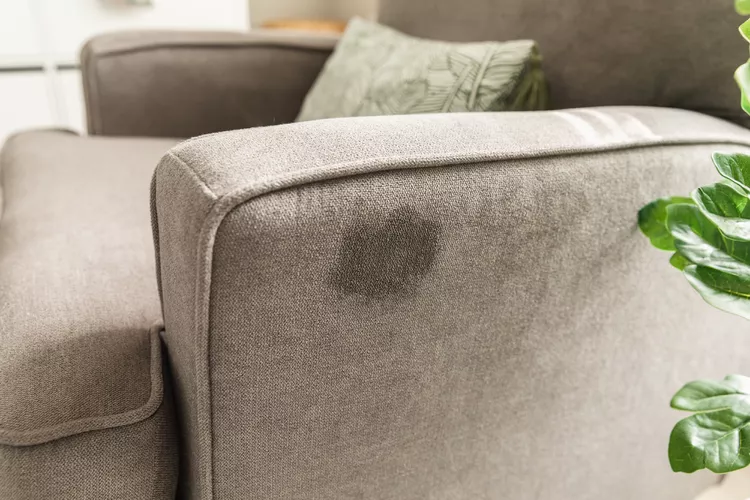
A striking embroidered silk might catch your eye in an upholstery shop, but is it the right choice for an upholstered chair? What about faux leather? Or a soft, lightweight wool? Not every fabric can stand the wear and tear of upholstery, and you could end up wasting significant money if you cover a beloved sofa in a fabric that’s going to pill and pull just because you sat on it.
“Beautiful fabrics are the preferred addiction of choice for most designers. We can’t get enough of them,” says Ashley Powell, interior designer at Roseberry Allen. “But some of the most gorgeous fibers and textiles should only be reserved for the backs of wood-framed dining chairs or throw pillows and Roman shades.”
Want the insider knowledge on which fabrics you should avoid for your next upholstery project? Here are the types of fabric that you should avoid for upholstery, according to designers.
6 Worst Fabrics for Upholstery
Want to make sure the upholstery project you’re investing in will last? Here are the six fabrics to steer clear of.
Faux Leather or Vinyl
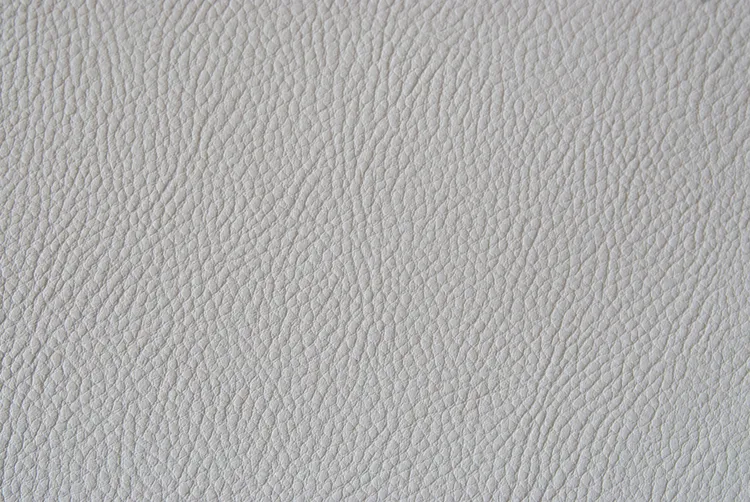
When you look at the price tag for leather, it can be tempting to look at fake options. But, over time, you may end up spending more money when the faux leather deteriorates and has to be replaced.
“I usually advise clients to avoid faux leather and inexpensive vinyls for upholstery,” says Becky Asleson, founder and principal at Maple & White Design. “While they can look sleek at first, they often crack, peel, or feel sticky with everyday use, making them less practical in the long run.”
Synthetic Velvet
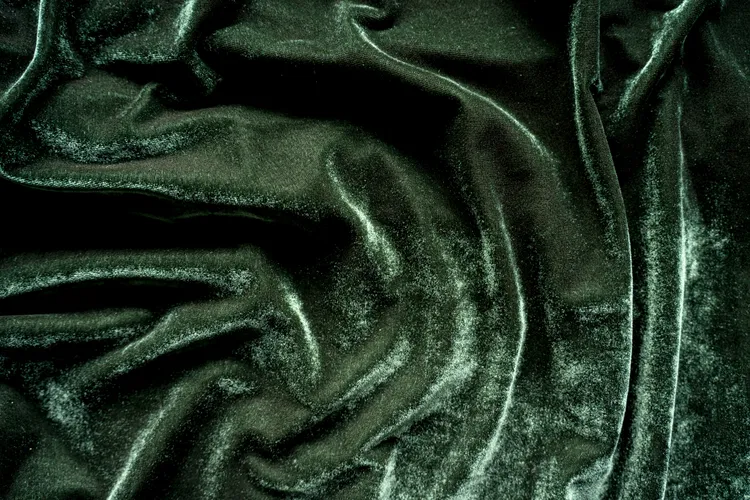
Not all velvet is created equal, and if you choose to go with an inexpensive synthetic velvet, you may find that it’s thin, low quality, and shows its age long before you expect.
Asleson explains, “While real velvet is undeniably elegant, synthetic velvet shows every mark, spill, and pet hair, and its pile can crush easily, leaving the surface looking worn much sooner than more durable textiles.”
Viscose
Viscose has the beautiful drape of silk, but, unfortunately, it also has the same delicate nature. It’s less expensive than silk, but you won’t get longevity with either.
“One of the worst fabrics to use on upholstery is viscose. It looks beautiful when installed, but does not hold up well over time. This fiber is very sensitive to liquids and is virtually impossible to clean,” says Jennifer Jones, principal designer at Niche Interiors.
Embroidered Fabrics
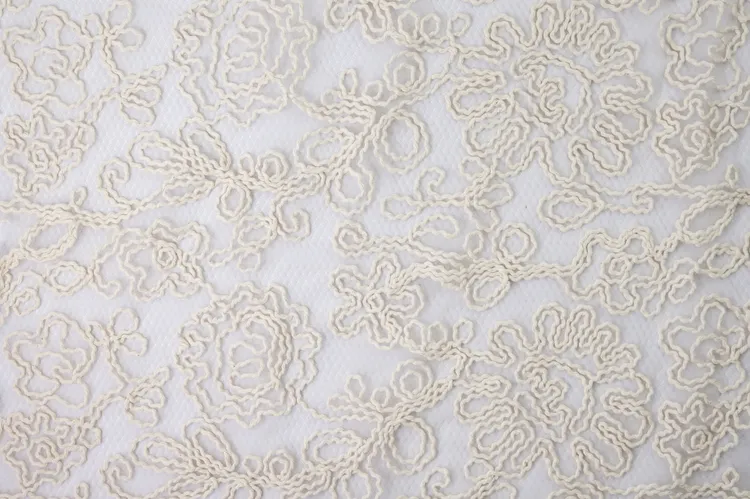
The friction of sitting on these intricate fabrics can snag the carefully crafted embroidery or weaken the integrity of the textile.
“Embroidered fabrics that boast incredible craftsmanship and painstaking amounts of detail to stitch should never be considered for chairs or sofas,” Powell says.
Instead, reserve embroidered fabrics for items like pillows or even the backs of chairs where they’ll see less daily contact.
Raw Linen Silk
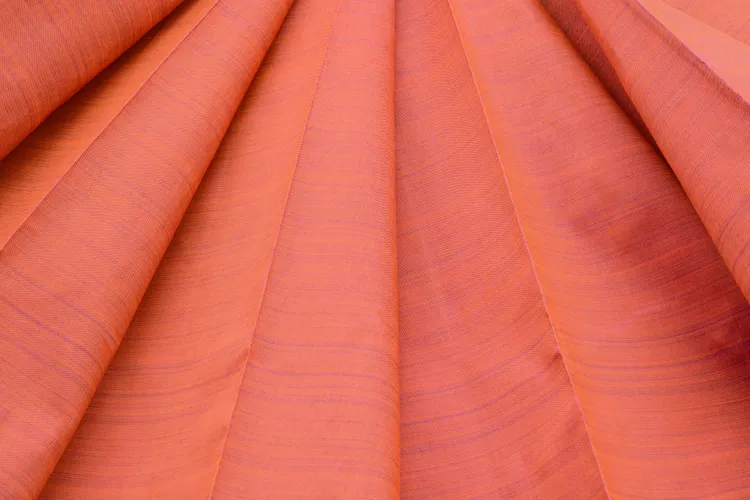
In general, skip the silk if you plan on using a piece of upholstery at all. “
Raw linen silks with an approximate rub count of maybe seven should never be a go-to for your hard-working upholstery pieces,” says Powell.
If a fabric this delicate is used on a chair or somewhere you sit often, it won’t be long before the fabric is wearing thin or even developing weak spots and holes.
Lightweight Wool
Just like your sweater that pilled under the armpits and at the waistband after approximately two wears, upholstery fabric can also pill.
Powell recommends steering clear of lightweight wool for exactly this reason. If you think about how much a sweater pills and you wear it only occasionally, imagine that same level of wear and tear per use, but on something you sit in every day.
“Stay away from lightweight wools that will pull,” Powell says.
Which Fabrics Should You Use Instead?
If you’re looking to invest in upholstery that will last, natural fibers or performance synthetics are typically your best bet.
“I recommend breathable performance fabrics like treated linen or cotton blends,” Asleson explains. “They are engineered fabrics that are stain-resistant, easy to clean, and ideal for family rooms, kids, and pets.”
Here are a few of the upholstery fabrics you should consider:
- Cotton and cotton-blend
- Linen
- Leather
- Microfiber
- Polyester